Why Flower Pattern Mandala Art Is a Craft Fair Goldmine
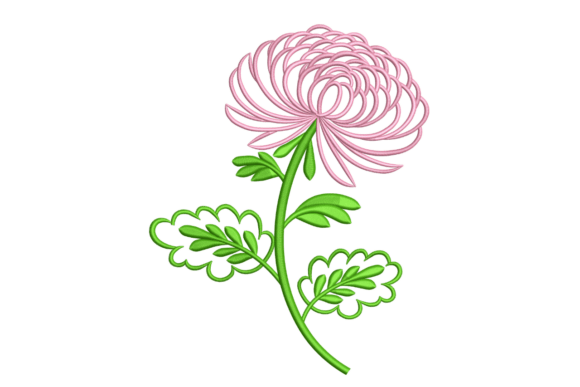
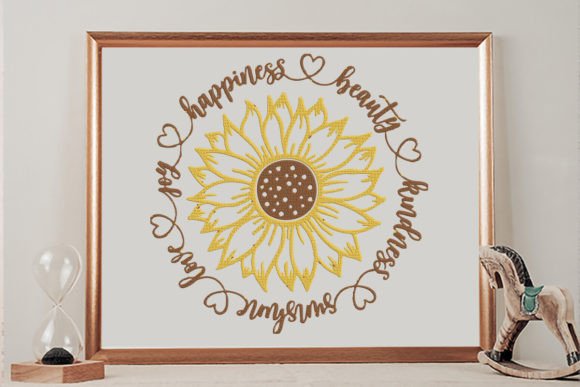
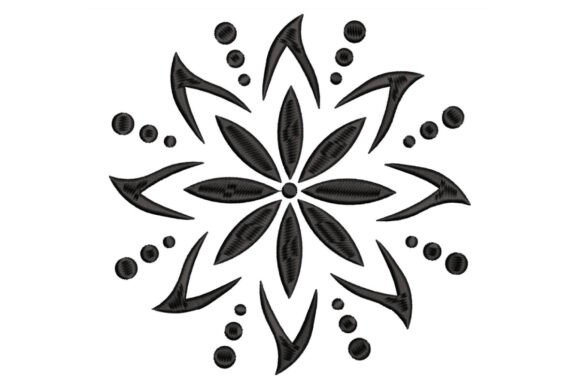
As a professional embroidery designer preparing for a weekend market, my first task is to review the digital files I’ll turn into profitable, handmade products. Today’s focus is Flower Pattern Mandala Art. Based on its name alone, this embroidery design immediately conjures an image of a decorative, floral outline pattern with a balanced, radial layout. It feels soft, elegant, and decorative, leaning toward a modern rustic or farmhouse aesthetic that’s incredibly popular at craft fairs right now.
First Impressions and Market Fit
This machine embroidery design falls under the category of Outline Flowers. That tells me it’s likely built with clean lines rather than dense fill stitches, which is a huge advantage for production speed and fabric compatibility. The description notes it’s for home decor, apparel, gift items, and wall art—this versatility is exactly what we need for a diverse booth display. My first thought is that Flower Pattern Mandala Art isn’t a bold, funny, or festive statement piece; it’s a premium, minimal decorative element that adds handmade quality without overwhelming a product.
The Ideal Products for This Embroidery Design
Setting up my booth, I imagine a table with tote bags, aprons, tea towels, caps, patches, small pouches, and pillow covers. Where does this design shine?
- Tote Bags & Market Bags: A Flower Pattern Mandala Art embroidered on the front pocket or lower corner of a natural canvas bag creates an instant handmade, boutique feel. The outline style ensures it won’t become too heavy or distort the fabric.
- Aprons & Kitchen Towels: For tea towel embroidery or apron embroidery, this design offers a beautiful focal point. On a linen towel, it looks elegant; on a durable apron, it adds a touch of decorative charm that appeals to home cooks.
- Pillow Covers: This is a prime candidate for a subtle, repeating pattern on pillow covers. The mandala structure makes it a natural central design.
- Caps: Embroidering on curved cap surfaces can be tricky. An outline-based design like this, with potentially less dense stitch areas, is more adaptable to the cap’s structure, provided the hoop size is suitable.
- Embroidered Patches & Small Pouches: As a patch, Flower Pattern Mandala Art could be a beautiful, standalone gift item. On a small fabric pouch, it becomes a delicate accent that elevates a simple product.
For Etsy sellers and digital sellers, these products translate perfectly into printable mockups and clear online listings.
Practical Production for Sellers
Turning a digital embroidery file into a sellable craft fair product requires practical judgment.
Visual Clarity and Batch Production
The mandala format means this design is likely symmetrical and balanced. This is excellent for customer attention—it’s easy to understand at a glance, which is crucial when shoppers are quickly scanning a booth. It can work as both a small accent on a cap and a larger focal design on a tote bag. However, as an outline design, I must consider if tiny details within the flower pattern might lose clarity at very small sizes. Always test the design on scrap fabric first, especially if planning to scale it down for patches or pouches.
For batch production, the repetitive, structured nature of a mandala can feel very repeatable. This is good for creating a consistent line of products for your small shop. It supports brand consistency across different items like tote bags, pillow covers, and aprons.
Critical Technical Checks
Before running any machine embroidery design for commercial embroidery, several careful-use notes are essential:
- Stitch Density: Outline flowers typically have lighter density, but I must inspect the actual file to ensure there aren’t unexpectedly dense areas that could pucker thick fabrics like denim or struggle on textured towels.
- Thread Contrast & Fabric Color: This elegant design will likely pop on neutral fabrics (cream, linen, white) but could also be stunning on dark fabric with bright thread. Checking thread contrast is key for visual appeal.
- Fabric Texture & Stabilizer: Using the right stabilizer is non-negotiable, especially for items like tea towels or caps where fabric texture varies.
- Hoop Size: The product description mentions the design comes with multiple formats, but I must confirm the specific hoop size compatibility for my target products before production.
Most importantly, create at least one real mockup. How does it photograph? Does it look handmade and premium in a picture for your Etsy listing? A real sample tells you more than any digital preview.
Selling Power and Booth Display Strategy
How does Flower Pattern Mandala Art affect the bottom line?
Enhancing Product Value and Engagement
This design inherently increases the perceived value of a basic item. A plain canvas tote becomes a “botanical mandala tote bag.” A simple tea towel becomes a decorative kitchen art piece. This transformation is what customers at craft fairs pay for—the upgrade from mass-produced to thoughtfully handmade.
In a booth display, I would group products featuring this design together. A stack of embroidered pillow covers, a line of hanging aprons, and a basket of patch pouches all with the Flower Pattern Mandala Art create a strong, cohesive visual theme that attracts buyer engagement. It tells a story of a designer’s collection, not just random items.
Final Advice for Creative Entrepreneurs
The description states this is a machine embroidery design for various projects. That’s a great starting point. However, before selling any finished product, I must confirm commercial licensing for the embroidery file. Never assume. Also, while the design seems versatile, its success hinges on execution.
Use it on products where its elegant, decorative nature aligns with the item’s purpose—home decor and soft apparel are perfect. Avoid placing it on overly busy backgrounds where the outline might get lost. For dark fabric, ensure your thread colors are chosen for maximum contrast and brilliance.
For embroidery business owners and boutique makers, Flower Pattern Mandala Art represents a solid, adaptable design asset. It’s not a niche novelty; it’s a broadly appealing pattern that can anchor a product line, enhance your booth’s visual strength, and consistently convey a sense of handmade quality that today’s craft fair customers seek and value.