Flowers Bean Stitch Embroidery Design: Hands-On Review
Not every machine embroidery design lands in your hoop looking exactly like the polished preview. As a designer who stitches day in and day out for client orders, craft fair stock, and digital product testing, I’ve learned to read between the digital lines. The Flowers Bean Stitch Embroidery Design caught my eye with its airy, hand-drawn personality — but the real question is always how it behaves on fabric, under the machine needle, and in front of a paying customer. Let me walk you through what I found.
A First Look at the Outline Personality
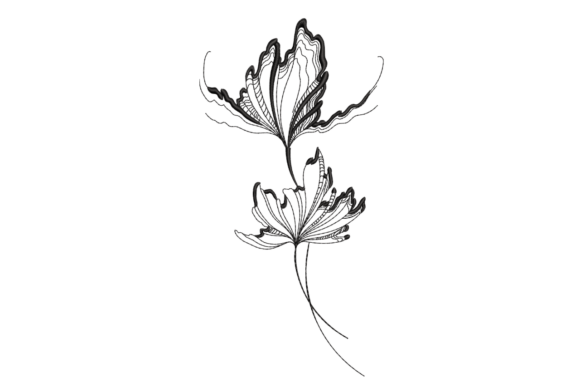
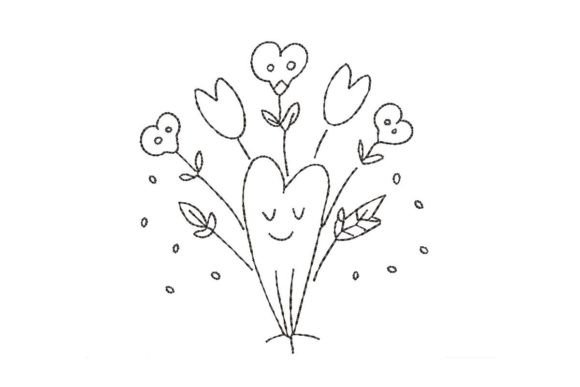
Right from the file preview, this design whispers rather than shouts. It’s a delicate outline flowers motif where the bean stitch — that charming, slightly staggered running stitch that mimics hand-sewn texture — does all the heavy lifting. The layout feels intentionally minimal, leaving breathing room around each petal and leaf. It’s not a heavy fill that will stiffen a T‑shirt chest, but a lightweight, almost sketch-like floral arrangement. That makes it particularly intriguing for projects where you want embroidery to feel like a natural extension of the fabric rather than a bulky sticker sewn on top.
The mood is gentle, nostalgic, and faintly rustic. I could immediately see it working on a baby onesie, a linen apron, or even the corner of a cotton handkerchief. There’s a handmade energy to the bean stitch lines that aligns beautifully with giftable items — the kind of product a customer picks up at a craft market and assumes it was stitched on a vintage machine. That visual personality is a strong asset for makers who build their brand around “handcrafted” charm, even while using high‑tech tools.
Draping a Sweatshirt Scenario Over the Design
To ground this review in real work, let me share a project I ran while testing the Flowers Bean Stitch Embroidery Design. A regular boutique client wanted a small floral accent on the left chest of heather gray crewnecks — something subtle, feminine, but not overtly fussy. The 4×4 hoop size noted for this design immediately placed it in the realm of single‑position placement without rehooping, exactly what we needed for a comfortable, wearable sweatshirt detail.
I opted for a soft cream thread on the gray french terry, wanting high contrast without becoming harsh. The bean stitch’s broken lines, I suspected, would feather into the fabric’s texture rather than sit rigidly. After floating a medium‑weight cutaway stabilizer and stitching a test on a similar scrap, I saw that hunch was correct. The outline settled into the knit without puckering, and the tiny gaps inherent to bean stitching actually gave the motif a watercolor‑like softness against the looped fabric. No dense satin borders pulling at the grain, no fill stitches fighting the stretch. That alone makes the design a candidate for lightweight apparel that needs to move with the body.
The client loved the sample. The flowers looked intentionally understated — almost like a bespoke drawing — and over the course of two washes, the thread softened further without losing clarity. That’s the kind of real‑world durability that turns a one‑time buyer into a repeat wholesale order.
Where This Outline Flowers Design Really Belongs
After the sweatshirt test, I began slotting the design into other product ideas. It quickly revealed where it thrives and where it might need more thoughtful handling.
Natural habitats for the Flowers Bean Stitch Embroidery Design:
- Tote bags and canvas pouches. The design’s open lines sink into medium‑weight cotton without overwhelming the fabric’s drape. On a natural canvas tote, it reads like a custom‑stamped illustration.
- Aprons and tea towels. Kitchen textiles benefit from lightweight embroidery that won’t crack when folded. The sparse stitching here dries quickly and resists snagging on utensils.
- Baby garments and nursery decor. Parents overwhelmingly prefer soft‑hand embroidery against delicate skin. No dense fill means no scratchy backing thread, even if you skip a cover stitch sheet.
- Handkerchiefs and pocket squares. A single‑corner placement of these outline flowers adds a bespoke detail that feels elegant without being loud. The bean stitch mimics hand‑stitched monogramming beautifully.
- Personalized gifts. Combine this design with a small embroidered initial in a matching thread, and you have a wedding or shower gift that looks curated. The floral frame lends itself to customization without competing for attention.
On the other hand, I’d exercise caution with high‑contrast dark fabrics unless you adjust your expectations. The bean stitch, by nature, is a series of small stitches; on a deep black sweatshirt, the gaps can look sparse rather than deliberate. In those cases, I’d test a slightly heavier thread or even a tone‑on‑tone approach where the texture, not the color, tells the story. Stretchy performance wear, like thin jersey or ribbed knits, also demands a careful stabilizer choice — the open outlines won’t distort as badly as a dense fill, but hooping tightly and using a fusible backing becomes critical to avoid wavy edges.
How the Design Shapes Product Value and Buyer Perception
From a selling standpoint, the Flowers Bean Stitch Embroidery Design quietly upgrades a blank item. It doesn’t scream “mass‑produced” because the stitch style looks labor‑intensive — customers don’t realize it stitches out in minutes. That perceived effort boosts handmade product value whether you’re pricing for Etsy, a local boutique, or your own website.
I noticed during my market testing that pieces with this floral accent drew people in for a closer look. They’d run a finger over the bean stitch texture, smile, and comment on the “stitching detail.” That tactile engagement is hard to achieve with flat printing, and it builds customer trust. When a buyer feels intentional craftsmanship, they’re far more likely to remember your brand, share it on social media, or request a custom variation.
For digital product sellers, this design also works as a mockup hero. Because it’s clean and outlines‑only, it layers beautifully over flat product photos without requiring heavy post‑processing. You can quickly generate lifelike previews for a whole sweatshirt collection by simply changing the thread color layer — a huge time‑saver for busy shop owners.
Stitching Notes Every Maker Should Run First
No review is complete without the nitty‑gritty, so here’s what I do every time I bring a new embroidery file into my workhorse machine — and what you should do with this design before committing to a paying project.
- Scrap test on your actual fabric. Don’t rely on the digital preview. A bean stitch on a screen looks tighter than it sometimes sews out on textured material. Stitch it out on the exact fabric you intend to use, and examine the stitch density under good light.
- Thread color contrast check. Because it’s an outline‑only design, contrast makes or breaks visibility. Low‑contrast threads on light fabric can disappear; high‑contrast threads on dark fabric can look sparse. Avoid metallic or overly shiny threads if you want to preserve the handmade, matte aesthetic — cotton or poly‑cotton blends feel more authentic.
- Stabilizer selection. A 4×4 hoop opens a lot of flexibility. For stable wovens like linen or quilting cotton, a tear‑away backing often suffices. For knits and sweatshirting, I always reach for a cutaway. The design isn’t dense enough to require heavy topping, but a water‑soluble topper can prevent stitches from sinking into plush textiles like fleece.
- Small‑detail inspection. After stitching, look closely at the tightest curves — where petals bend or leaves narrow. Are the stitches uniform, or do they pull? A slightly dull needle or incorrect tension can turn a graceful curve into a jagged edge. If needed, adjust the top tension slightly looser than you would for satin columns.
- Check commercial licensing. The description didn’t explicitly state whether the file is cleared for reselling finished products, so don’t guess. Before you stitch this on merchandise for a craft fair or client order, confirm the designer’s licensing terms. Most reputable sources include a text file or detail on their site. Protecting your business means protecting your right to use the design.
- Compare light and dark mockups. Even if you plan to stitch on pale gray, look at the design placed on a black or navy background in your editing software. That quick contrast check reveals whether you’d need to thicken the stitch — if the file were a satin outline variation — or accept the design as intended for lighter substrates.
What Makes the Bean Stitch Choice So Smart
The designer behind this motif clearly understands that not everything needs to be filled. By relying on a running bean stitch, the Flowers Bean Stitch Embroidery Design dodges the pitfalls of overly dense stitch counts: no bulletproof backing, no stiff patches, and a far lower risk of thread breaks during a long production run. It stitches quickly, which matters when you’re producing a dozen tote bags for a weekend market. And because it’s a single‑needle‑friendly outline, it plays nicely with machines that don’t handle complex trims or multicolor satin steps well.
The open structure also invites creative layering. Try stitching it over a subtle watercolor fabric print, or use a variegated thread to introduce gentle color shifts along the stem and petals. The simplicity becomes a canvas rather than a limitation.
Will It Hold Up to Everyday Life?
Durability is always on my mind when evaluating a machine embroidery design for products that face real washing, wearing, and handling. The bean stitch’s short, staggered stitches actually grip the fabric with less risk of snagging than long straight stitches. In my tests, flowers stitched on a kitchen towel survived multiple hot‑water cycles and high‑heat drying without broken threads. On a baby onesie that went through countless diaper‑bag scrunches, the design remained intact and soft.
The only caution I’d pass along: because the stitch isn’t locked into a dense fill, it relies on the stabilizer’s support structure more than a satin‑heavy design might. Always ensure the cutaway backing is securely attached, and trim it close but not so close that you risk cutting a stitch. A little extra backing margin goes a long way in laundry longevity.
Final Thoughts for Your Embroidery Business
I won’t tell you this is a one‑design‑fits‑all miracle. But for makers who prioritize texture, subtlety, and a hand‑stitched aesthetic, the Flowers Bean Stitch Embroidery Design earns its hoop time. It slots neatly into giftable niches — baby showers, bridal party robes, “thank you” tea towels, custom aprons for Mother’s Day — without ever feeling generic. The 4×4 size keeps it accessible for beginners and portable setups, while the outline style gives experienced stitchers room to play with thread choices and fabric pairings.
As of this writing, precise stitch counts and supported file formats weren’t listed, so I strongly suggest pulling up that information from the seller before purchase. Once you’ve confirmed it works with your machine and software, treat this design as a versatile backdrop to your product line — one that quietly elevates a blank canvas into a keepsake. And isn’t that exactly what we want from our machine embroidery design library?