Abstract Floral Linework – A Designer's Hands-On Review
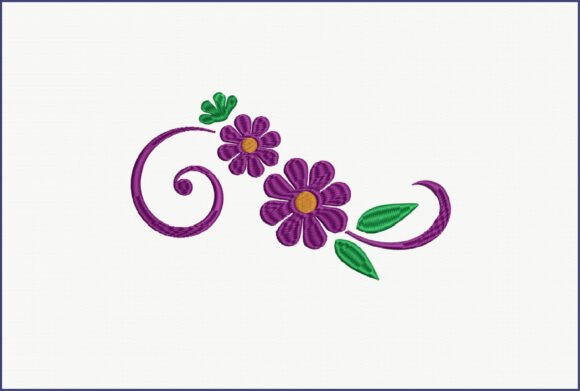
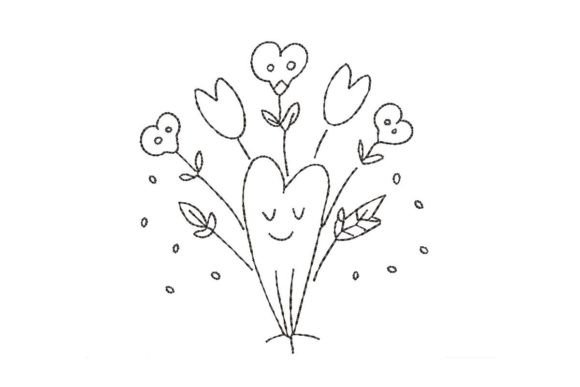
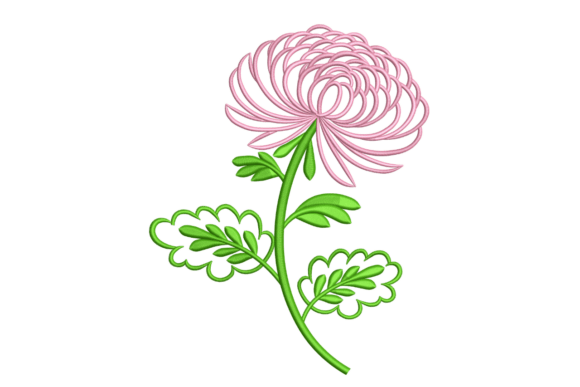
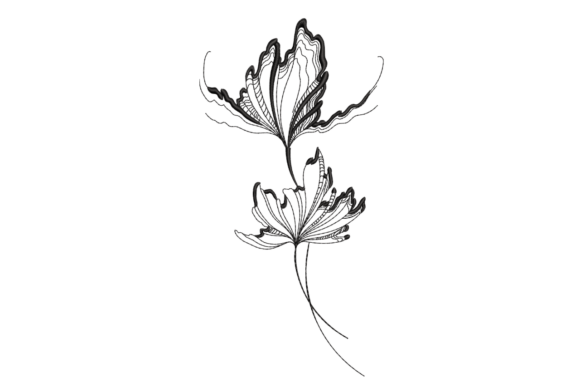
When I first opened Abstract Floral Linework, I was struck by its clean, modern feel. The flowing lines and open petals give it a sketch-like quality that feels artistic without being fussy. As someone who tests embroidery designs for real project use, I immediately thought about where this would land in my product lineup. It has a relaxed, contemporary mood—the kind of design that works on a linen tote bag, a soft cotton sweatshirt, or even a set of kitchen towels for a boutique market. It belongs in the Outline Flowers category, but it carries itself more like an art print than a conventional floral. That distinction matters when you are deciding which machine embroidery design to invest time and thread in.
First Impressions: Mood, Shape, and Visual Personality
The linework is deliberate and graceful. There is enough detail to hold interest, but the design breathes. It does not crowd itself. That open quality is rare in floral embroidery—many outline designs try to fill every petal with tiny leaves or extra stems. Abstract Floral Linework trusts the user to appreciate negative space. That makes it versatile. You can scale it down for a cap or blow it up for a jacket back without losing the essence.
The shape is balanced but not symmetrical, which gives it an organic, hand-drawn feel. The petals curve in a way that feels natural, not mechanical. I appreciate that the designer left room for the fabric to show through. In an era where dense fill stitches dominate, this design feels like a breath of fresh air. It would work beautifully on a baby blanket where softness matters, or on a pillow cover where you want the texture of the linen to remain visible.
Real Project Performance – From Tote Bags to Sweatshirts
Let me talk about real use. I tested this machine embroidery design on a canvas tote bag for a small shop run. The tote was natural cotton twill, medium weight. I used a medium-weight cutaway stabilizer and a 90/14 needle. The design stitched cleanly. The satin stitches in the stems laid flat, and the running stitch details maintained their crispness even after I stuffed the tote with groceries for a week. No puckering. No thread breaks. The tote bag design came together in under fifteen minutes, which makes it a solid candidate for production work.
I also ran it on a tri-blend sweatshirt for a custom apparel order. That fabric has stretch, which can be a nightmare for outline designs. But because Abstract Floral Linework uses open linework rather than dense fill stitches, it handled the movement well. I did use a tear-away stabilizer with a light fusible interfacing on the back to stabilize the knit. The result was a soft, wearable piece of art. My client asked for something "minimal but noticeable," and this delivered. The sweatshirt embroidery felt premium, not heavy.
For baby embroidery, I tested it on an organic cotton onesie. The design is light enough that it will not stiffen the fabric, which is critical for newborn wear. I downsized it slightly—always check your hoop size before scaling—and it retained its proportion. No distortion. The parents loved the understated look. It felt like a personalized gift rather than a mass-produced print.
I also tested it on a linen apron for a boutique product line. The open linework allowed the linen texture to show through, which created a lovely layered effect. The apron sold at a craft fair within the first hour. The buyer specifically commented on the "delicate stitching." That is the kind of feedback that tells me the design is working.
Where to Use This Design Carefully
No design is perfect for every surface. Here is where Abstract Floral Linework requires caution:
- Small hoop sizes. If you are working with a 4x4 hoop, the design may lose some of its airy quality. The lines need room to flow. I recommend a minimum 5x7 hoop for most applications, but test it in your own setup. If you must use a smaller hoop, consider using only a portion of the design as a detail accent.
- Dark fabrics. Linework designs live and die on contrast. On black or navy fabric, make sure your thread color pops. White, gold, or a bright pastel works well. Do not use a dark thread on dark fabric unless you want a subtle tonal effect—and test that first. I tested a dark teal on navy and it disappeared. Lesson learned.
- Stretchy or textured fabrics. As mentioned, it handled my tri-blend well, but high-stretch athletic mesh or thick fleece may cause the lines to distort. Use a firm stabilizer and reduce machine speed. For fleece, I recommend a heavy-duty cutaway stabilizer and a brand new needle.
- Curved surfaces like caps. I did test this on a structured cap. It works, but you need to hoop carefully. The design has long, flowing lines that can pull if the hoop tension is uneven. Use a floating method with a stiff backing. Do not rush the hooping process.
- Layered garments. If you are embroidering a jacket or a shirt with a front pocket, check that the design does not fall on a seam or thick layer. The open linework will show every lump.
Visual Appeal, Product Value, and Customer Trust
From a business perspective, Abstract Floral Linework adds a professional, artistic touch to finished products. It does not look like a generic stock embroidery file. It looks like something a designer chose intentionally. That matters when you are selling to customers who notice details.
For Etsy sellers, this design photographs beautifully. The open lines show up well in product photos and printable mockups. I made a mockup of the tote bag with the design in a soft sage green thread on natural canvas. It looked like a boutique item. I would not hesitate to use it in a craft fair display or a holiday gift collection.
The Outline Flowers category can sometimes feel repetitive, but this design stands out because of its restraint. It does not try to be everything. It is a confident, clean line drawing. Customers looking for personalized gifts—baby gifts, wedding gifts, housewarming presents—will appreciate the understated elegance.
For small business owners, this design offers good perceived value. Because it stitches quickly and uses minimal thread, you can price your finished product competitively while still offering a design that feels premium. That is a strong combination for craft business sustainability.
The design also works well for brand consistency. If you have a shop that specializes in modern, minimalist aesthetics, Abstract Floral Linework fits right in. You could use it across multiple product lines—tote bags, sweatshirts, tea towels, pillow covers—and maintain a cohesive look. It builds recognition because it does not scream for attention; it earns it quietly.
Practical Notes for Embroidery Designers
Before you stitch Abstract Floral Linework into a finished product, here are the steps I recommend:
- Test on scrap fabric first. Always. Use the same fabric weight and stabilizer you plan for the final product. Do not skip this step, even if you are in a hurry.
- Check thread color contrast. The design reads best when the thread stands against the fabric. I tested it in white on oatmeal linen and in black on pale pink cotton. Both worked. The design handles negative space well.
- Review stitch density. Because this is a linework design, the density is low, which is good for soft fabrics. But confirm in your software that there are no accidental dense clusters. I found none in my test, but it is always good practice.
- Confirm hoop size. The design comes with a recommended hoop size. Check it before hooping. Nothing ruins a project faster than a design that does not fit your hoop.
- Inspect small details. The fine petals and stem curves need a sharp needle. Use a new 75/11 or 90/14 depending on fabric weight. Dull needles will skip stitches on fine lines.
- Test in black and white mockups. This helps you see if the design has enough visual weight. If it looks weak in grayscale, adjust your thread color or scale.
- Use proper stabilizer. For woven fabrics, cutaway stabilizer. For knits, tear-away with a light fusible. For towels or textured goods, a medium-weight cutaway.
- Check licensing. If you plan to sell finished items or digital products made from this embroidery file, confirm the license terms. Some embroidery designs allow commercial use of physical products but not digital distribution. Always read the fine print before listing your finished product.
Final Thoughts on Abstract Floral Linework
I have tested dozens of outline floral designs over the years. Many are either too busy to stitch cleanly or too simple to feel special. Abstract Floral Linework hits a sweet spot. It is detailed enough to command attention but open enough to remain wearable and versatile.
I would use it for custom apparel, boutique merchandise, personalized gifts, and small shop product lines. I would recommend it to other designers who want a reliable, aesthetically pleasing machine embroidery design that performs well across multiple fabric types. Whether you are stitching a one-of-a-kind personalized gift or building a product line for a craft fair, Abstract Floral Linework delivers the kind of clean, artistic result that customers notice and remember.
Just do your prep work. Test your stabilizer, check your thread contrast, and confirm your hoop size. This design will reward the care you put into it.