Local Flowers Embroidery Design Review for Small Business
As an embroidery designer who stitches merchandise daily for coffee shops, handmade brands, and boutique storefronts, I’m always hunting for a machine embroidery design that can pull double duty — something decorative enough to catch the eye but clean enough to read as a real brand mark. The Local Flowers Embroidery Design from the Bouquets Bunches collection immediately felt like one of those rare files. It isn’t just a pretty floral pattern. It’s a digital embroidery file that can morph into an embroidered patch, a chest accent, a tote bag signature, or a staff uniform detail without losing its personality. Here’s how it actually performs when you treat it as a business asset, not just a decoration.
First Impression: A Fresh, Approachable Floral Statement
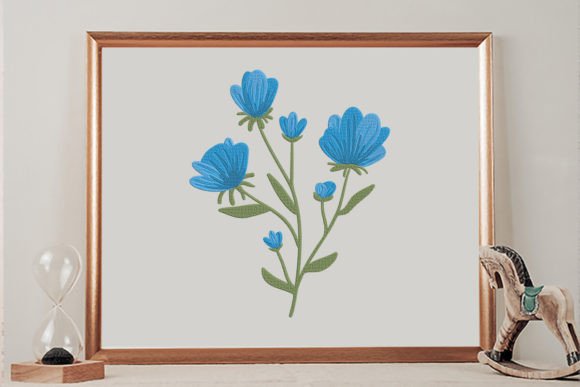
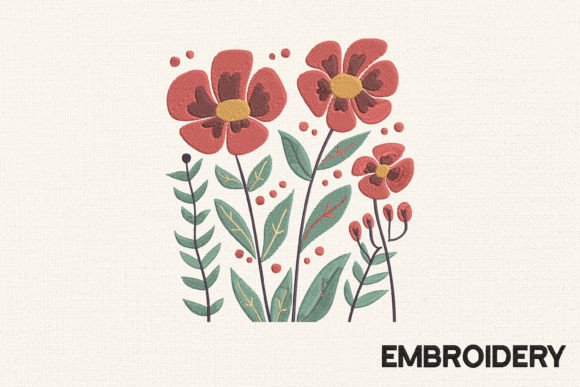
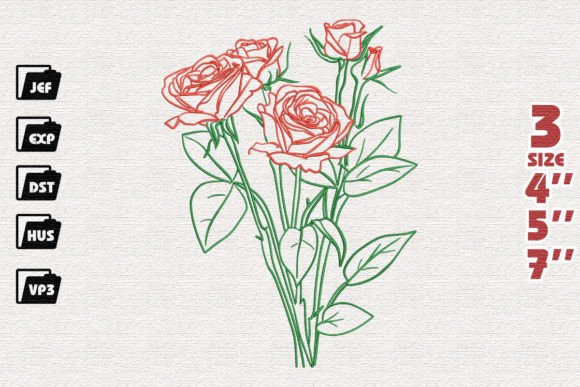
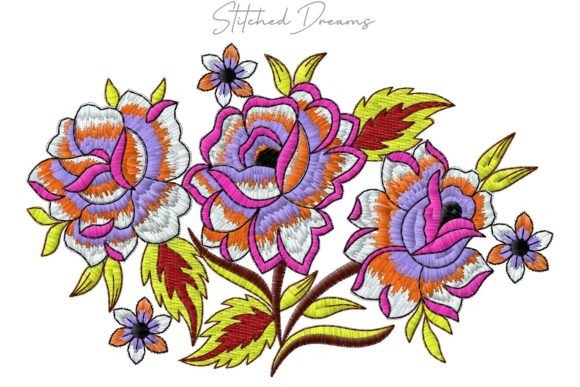
Opening the preview, the Local Flowers Embroidery Design hits that sweet spot between rustic and refined. The composition reads as a gathered bouquet — loose enough to feel hand-picked, structured enough to stitch predictably. I’d call the visual personality warm, organic, and quietly confident. It doesn’t scream “craft fair”; it whispers “small batch, quality, care.” For brands in food, floristry, pet care, skincare, or artisan retail, that tone is pure gold. The design avoids hyper-realistic shading that typically muddies into a thread blob on textured fabrics, which tells me the digitizer understood commercial stitchability. There’s a friendly roundness to the bloom shapes and leaf placements that feels inviting, not intimidating. It’s the kind of artwork that makes a customer slow down and look — exactly what a small business merch detail should do.
Where This Design Shines for Branded Merchandise
I mentally tested the Local Flowers Embroidery Design across the most common real-world requests I get from business owners. Each one revealed how adaptable the file truly is.
- Embroidered patches: Sized at roughly 2.5 to 3.5 inches, this design becomes a standalone patch for caps, jean jackets, or product label hangtags. The border elements are distinct enough to frame nicely without an artificial merrowed edge, though adding one would only boost the patch feel.
- Uniform embroidery: Think a bakery or plant shop where every team member wears a work shirt. Placed on the left chest, the bouquet scales down well (more on that soon) and reads like a thoughtful brand signature — far more personal than a plain text logo.
- Cap embroidery: Centered on unstructured dad caps or low-profile 5-panels, the design gives a “local business” vibe that streetwear brands often chase artificially. On the side panel of a structured cap, it becomes a hidden gem detail customers love.
- Tote bag design: A tote is walking ad space. Stitching the Local Flowers Embroidery Design large on the front flap or pocket instantly elevates a blank canvas bag into a premium retail product. It carries the brand story with every grocery run.
- Apron embroidery: A florist or café apron with this bouquet near the bib or waist pocket looks intentional, not like an afterthought. It softens the uniform while keeping things professional.
- Product packaging accents: For handmade goods — candles, soaps, fabric pouches — a miniature embroidered tag using this design can become a signature closure detail. It turns a handmade product into a luxury gift item.
- Event merch and customer gifts: Pop-up markets, seasonal launches, loyalty freebies — an embroidered patch of these local flowers on a simple canvas pouch or a tea towel creates an emotional memento that outlasts a business card.
Across every use, the design maintained its character because the stitch flow didn’t rely on tiny, chaotic elements that fall apart in production. That’s a huge plus for custom apparel runs where consistency matters as much as charm.
Design Considerations for Commercial Embroidery Success
Enthusiasm aside, a responsible embroidery designer knows that no floral file is trouble‑free until proven otherwise. I put the Local Flowers Embroidery Design through my imaginary stress test before ever loading it onto my machine. Here’s where you should slow down and check specifics.
Scaling the Design Without Losing Integrity
While the bouquet reads beautifully at a patch size of around 3 inches wide, I would be cautious shrinking it below 2 inches for cap embroidery fronts or tiny sleeve accents. At that scale, the inner petal spacing could close up, and thin stem connectors might disappear, especially on textured fabric texture like canvas or denim. My rule: always run a test stitch at the exact finished size on a fabric swatch similar to your final product. If you need a smaller version, talk to your digitizer about simplifying the interior details without losing the floral silhouette. Stitch density adjustments are your friend here.
Thread Colors and Fabric Pairings
The design’s local flower theme naturally calls for a palette that mirrors real garden hues — soft corals, dusty lavenders, sage greens. But I advise testing it in high‑contrast black thread on a white sample first. If the design still reads clearly as a bouquet without relying on color cues, you know the structure is solid. On dark uniforms, avoid using navy or forest green for the main leaf elements unless you’re certain they won’t vanish into the fabric. A slight tonal shift to a lighter olive or a golden yellow outline can save the finished product from looking muddled.
Hoop Size and Placement Realities
Before buying, confirm the hoop size this digital embroidery file was digitized for. A common commercial hoop (e.g., 4x4 or 5x7) gives you placement flexibility, but if the design assumes a mammoth 8x12 hoop, your options for chest logos and caps shrink. Always check the product listing for that information. For curved placements like cap fronts or across apron bibs, consider how the bouquet’s natural arc interacts with the garment contour. I’d often test a paper printout taped to the garment to catch any awkward bulging or misalignment before committing to stitches.
Frequent Washing and Durability
Work shirts and aprons endure hot washes, stain treatments, and industrial pressing. Floral designs with dense cluster stitching can stiffen the fabric and eventually crack if the underlay isn’t optimized. Use a cut‑away or no‑show mesh stabilizer for permanent custom apparel that will be washed weekly. I’d also float a thin topper on plush fabrics like pique knits or fleece to keep the thread definition crisp. The Local Flowers Embroidery Design’s open layout (not a solid filled shape) helps avoid the dreaded bulletproof patch feel, which means garments remain wearable and comfortable.
Building Brand Identity with Flower Motifs
A small business logo is only one piece of visual memory. Repeated, distinctive details like an embroidered patch of local wildflowers train customers to recognize you before they even read a name. When I see a bakery box tied with twine and a linen bag stitched with flowers, I trust that everything inside was made with care. That’s the psychological lift the Local Flowers Embroidery Design offers. It turns basic goods into branded experiences.
Using this design consistently — across an apron embroidery, a tote bag design, a staff cap, and maybe a loyalty card holder — creates a visual language. Customers start to associate those blooms with your product quality, your aesthetic, your story. Suddenly, a coffee sleeve with a tiny floral stitch isn’t just a sleeve; it’s a brand identity marker. This design’s nature‑inspired motif also sidesteps trends. Unlike a slick geometric logo that ages into ‘last decade,’ organic floral imagery stays timeless. For a business aiming at long‑term customer trust and recognition, that’s a strategic choice.
From Digital File to Finished Product: Designer Notes
Whether you’re running a single‑head machine from a home studio or managing a commercial embroidery production line, a practical pre‑stitch checklist prevents waste. Here’s what I always do before the first production run of any embroidery file, especially one intended for branding:
- Test-stitch in monochrome: Run the design in black thread on beige cotton first. This highlights any registration gaps, trims, or awkward pathing that colors may hide.
- Create a printable mockup: Not every client can visualize embroidery. A printable mockup — just a printed photo on cardstock placed over the garment — helps secure approval before you invest expensive thread and time.
- Check small‑scale legibility: Stitch the bouquet at 2 inches, 2.5 inches, and 3 inches. Compare them side by side. If the 2‑inch version loses definition, note the minimum size for future projects.
- Audit stitch density: If the file feels bulletproof, ask your digitizer to open up the density slightly, especially on the behind‑elements that don’t contribute to the front silhouette. A softer stitch also reduces puckering on lightweight fabrics.
- Combine with your existing design assets: Set the Local Flowers Embroidery Design beside your logo, wordmark, or other decorative elements. Does it complement or compete? Aim for a cohesive set that can be mixed and matched across products.
- Confirm commercial licensing: Before you stitch this onto 200 tote bags for sale, verify the commercial embroidery rights. Not all digital files allow resale on branded products or client jobs. Check the provider’s terms. If unclear, ask directly.
- Use proper stabilizer: Match the stabilizer to the fabric texture and expected washing. A lightweight tear‑away for a display piece is very different from the cut‑away needed on a work apron. And test — one ragged puckered sample can teach more than ten online guides.
- Thread choices matter: Invest in quality 40‑weight polyester or rayon threads with a slight sheen. The slight luster grabs light differently on the petal edges, giving the bouquet a gentle dimension without needing complex shading.
After all those checks, the Local Flowers Embroidery Design has proven itself in my studio as a reliable, charismatic player. It’s not the cheapest novelty stitch you toss onto a single holiday shirt; it’s a long‑term branding asset. For the bakery that wants its aprons to feel like a neighborhood garden, for the boutique that stitches a tiny floral patch inside each garment as a hidden signature, for the craft business seeking to elevate its packaging with a memorable mark — this file earns its place in your design assets library.
Just remember: no machine embroidery design is a drop‑in solution without your careful testing. Thread colors, garment fabric, stabilizer, and scaling all influence whether the finished product looks like a trillion‑dollar brand detail or a choppy afterthought. Treat the Local Flowers Embroidery Design with the respect any good embroidery file deserves, and your small business merch will thank you with customer smiles.