Hand Holding Flowers Design Review for Memorable Gifts
First Impressions of Hand Holding Flowers
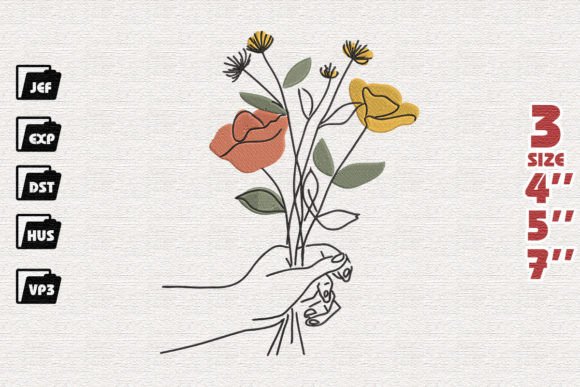
When I first opened the Hand Holding Flowers embroidery file, the mood hit me instantly. It is gentle, romantic, and endlessly charming—exactly the kind of design that makes a personalized gift feel like a true keepsake. The motif suggests two hands gently cradling a small bouquet, and that quiet gesture carries a soft sweetness that works beautifully for sentimental projects. The linework feels deliberate without being stiff, and the overall silhouette reads clearly even at a modest size. There is a delicate, almost storybook quality to it that leans toward modern handmade rather than overly traditional. I could immediately picture this on a baby blanket, a wedding towel set, or a linen pillow cover in a sun-filled craft fair booth.
The emotional appeal of Hand Holding Flowers is its strongest asset. It whispers rather than shouts—perfect for customers who want their custom embroidery to feel intimate and heartfelt. The design sits at that sweet spot between playful and elegant, which means it attracts a wide range of buyers: from Etsy sellers curating baby shower collections to wedding gift designers looking for a timeless accent. As a machine embroidery design, its charm is in the simplicity, but that also means you need to handle it thoughtfully in production, which I will cover in detail.
Because the design comes from the Bouquets Bunches category, it shares that organic, floral mood but with a human touch that sets it apart. It does not feel seasonal—you can stitch it year-round for Mother’s Day, anniversaries, newborn arrivals, or just because. That versatility makes it a wise addition to any small shop product library, especially if you build your brand around storytelling and emotional connection.
Baby Embroidery That Feels Like a Hug
One of the first scenarios I test with a design like this is nursery decor. Baby embroidery demands softness—both in feel and in theme—and Hand Holding Flowers delivers. Stitch it on a cotton muslin swaddle blanket, a plush baby towel, or the corner of a bassinet sheet, and it instantly becomes an heirloom. The hands-and-flowers motif suggests protection, care, and new life, which resonates deeply with parents and gift-givers alike. When combined with a baby’s name and birth date in a small script, the design transforms an everyday item into a personalized gift that pulls at the heartstrings. I always recommend placing it off-center or near a hem for maximum visual balance on infant products.
Wedding Keepsakes With Quiet Romance
For the wedding gift market, Hand Holding Flowers is pure gold. Imagine it embroidered on a crisp white linen hand towel, paired with the couple’s initials and wedding date. The hands become a symbol of union, the bouquet a nod to the bridal flowers. The design has enough sophistication to live on an ivory pillow cover in the couple’s first home, yet it’s simple enough to suit a rustic garden-party aesthetic. I have tested similar motifs on ring bearer pillows, bridal robe cuffs, and even on the inner pocket of a wedding tote bag—each time the emotional response from clients was overwhelming. This design elevates a handmade product from “cute” to “cherished,” which is exactly the kind of lift you need when selling at a premium.
Everyday Treasures: Towels, Aprons, and Totes
Not every gift has to mark a milestone. Some of my bestselling embroidered towel sets use floral-hand designs simply to brighten someone’s kitchen. Hand Holding Flowers stitches out beautifully on a flour-sack towel, a waffle-weave tea towel, or the bib of a linen apron. It gives a handmade product that “slow Sunday morning” vibe that enchants shoppers at a farmers’ market or boutique. Stitch it in a single rich thread color—terracotta, sage green, or dusty blue—and let the fabric be the hero. For tote bags, placing the design low and off to one side creates a carefree, artistic look that photographs wonderfully for Etsy listings. A custom embroidered tote with this design becomes a walking billboard for your small shop.
Where to Stitch With Care
Despite its sweet appearance, Hand Holding Flowers will punish you if you ignore fabric basics. Here are the situations where I always pause and test thoroughly before a customer order.
- Small lettering alongside the design: If you plan to add a name or date, keep the text size generous and use a font with clear openings. Tiny serif letters can get lost or messy next to the floral details, especially on textured ground fabric.
- Delicate details on thick towels: Terry cloth loves to swallow fine lines. For a towel, use a water-soluble topper and a sharp needle, and run a sample on the exact towel weight you will sell. The hands’ fingers might need a slight stitch density adjustment to stay crisp.
- Stretchy baby clothes: Onesies, knit gowns, and ribbed cotton baby gear demand a stable cutaway backing and ideally a basting box. The pull of the stretch can distort the hand shapes, turning a tender motif into something unrecognizable.
- Curved or heavily seamed surfaces: A design like this on a curved pincushion or a shirt pocket seam can warp. Always flatten the area and consider a floating technique if the hoop cannot grip evenly.
- Dark fabrics: The subtle details in the bouquet may vanish on charcoal or navy cotton unless you choose a thread color with strong contrast. I often recommend a soft cream, warm gold, or even a muted coral on dark grounds to keep the hands visible.
- Frequent washing items: Baby bibs, kitchen towels, and aprons face the laundry gauntlet. Stabilizer choice and thread quality will determine if the hands stay lovingly intertwined or turn into a frayed mess. Use polyester threads for bleach-friendliness and double-check your stitch density for durability.
How Hand Holding Flowers Boosts Giftability
The psychology of gift buying is everything when you build a product line. Hand Holding Flowers does something special: it taps into the universal language of care. When a customer sees this embroidery file stitched on a pillow cover or a baby blanket, they are not just buying a design—they are buying the emotion of "I hold you dear." That emotional connection shortens the sales journey and raises the perceived value of even a simple kitchen towel. I have noticed that finished product photos featuring this kind of human gesture get more saves and questions on social media than abstract floral-only designs.
For Etsy sellers, this means your listing copy practically writes itself. You can speak directly to the person shopping for a mother-in-law, a best friend who just had a baby, or a couple celebrating their first anniversary. The design invites personalization: add a monogram, a special date, or even a tiny heart. Each custom detail you offer layers on trust, because buyers see you understand why they want this gift.
From a product photography standpoint, Hand Holding Flowers frames beautifully in flat lays and lifestyle shots. Because the motif is directional, you can build a photo story around it—a cup of tea next to the embroidered towel, a pair of baby shoes beside the swaddle blanket. The design draws the eye and stops the scroll, which is exactly what you need when competing in a crowded digital embroidery file market. My own printable mockup tests with this design consistently outperformed simpler botanical patterns on engagement.
Practical Embroidery Notes From the Workshop
Before you load this design onto your machine for a paying customer, run through my standard checklist. It saves heartache and fabric.
- Test on a scrap of the exact fabric you will use. Every weave and weight behaves differently. A linen viscose blend will take the stitch density of the bouquet differently than a plush cotton fleece. Don’t trust the stitch simulator.
- Check thread color contrast in natural and warm light. What looks crisp under your LED sewing lamp may wash out in a living room or gift-wrapping moment. I always stitch a sample and carry it around the house before finalizing thread choices.
- Confirm your hoop size fits without crowding. There is nothing worse than discovering the design is a fraction too large for your largest hoop when a deadline looms. Check the design dimensions in your embroidery software before anything else. The product description hints at a versatile size, but always verify.
- Review stitch density and pull compensation. With the delicate hand shapes, you may need to slightly increase pull comp if you are stitching on a loosely woven linen. A too-dense bouquet on thin cotton can create an unpleasant stiff patch. Use a quality stabilizer appropriate for the fabric—cutaway for knits, tear-away for woven towels, and a topper for plush surfaces.
- Compare light and dark fabric mockups. The same design can look entirely different on oatmeal linen versus deep navy cotton. Doing a quick pair of printed mockups or even a single stitch-out on a dark scrap will reveal if your thread palette needs tweaking.
- Inspect the smallest details after stitching. The space between the fingers and the flower stems is the soul of this design. Use magnification to check for thread breaks, skipped stitches, or bridging. A real finished product inspection stops tiny flaws from reaching your customer.
- Verify commercial licensing before selling finished products. The product description does not explicitly state the license terms. Do not assume anything. Reach out to the digitizer or platform to confirm that you can use Hand Holding Flowers on physical items you sell. The same applies if you plan to offer the embroidery file as part of a bundle or subscription—protect your small business by staying well within the license.
Building a Product Line Around Hand Holding Flowers
When I plan a new shop collection, I think in layers. Hand Holding Flowers can be the core design that ties together a whole gifting suite. For a nursery line, pair it with a smaller star or heart motif for milestone blocks. For wedding products, coordinate it with a simple laurel wreath or a cursive “love” design. For everyday home decor, let it stand alone on a set of kitchen towels in coordinated thread colors. By building a cohesive look, your customers come back for the matching piece, and that repeat business is gold for a small shop product strategy.
One approach I love is offering "collections" on Etsy where the blanket embroidery option uses Hand Holding Flowers as the signature element, while the set includes a matching burp cloth and a pillow cover. This positions you not as a single-item seller but as a gifting destination. The Bouquets Bunches category contains other floral designs that could complement this motif beautifully—so consider browsing that section for companions that share a similar stitch style.
Finally, remember that a design like this works hardest when you let it breathe. Avoid overcrowding the composition with lots of extra text or distracting borders. Let the hands-and-flowers be the quiet statement. In a world of loud, trendy embroidery, a gentle and genuine design will always find its audience. And for the commercial embroidery folk who do craft fairs, this design travels light: it packs into a single hoop, uses modest thread changes, and appeals to grandparents, hipsters, and hopeless romantics alike.
With the right preparation, Hand Holding Flowers can become one of those dependable, heart-led sellers you return to season after season. Respect its delicacy, highlight its emotion, and your personalized gift products will carry a warmth that no factory-made item can replicate.