Enchanted Elegance Embroidery: A Designer's Verdict
When I first opened the Enchanted Elegance Ornamental Embroidery file, I paused. Not because something was wrong, but because the design has a quiet gravity to it. The kind that makes you instinctively picture it stitched onto something that matters. A bridal clutch. A heirloom baby blanket. The corner of a linen pillow that will sit in someone's reading nook for years. This is not a loud, attention-demanding motif. It whispers. And in a market flooded with bold, oversized floral machine embroidery designs, that restraint is genuinely refreshing.
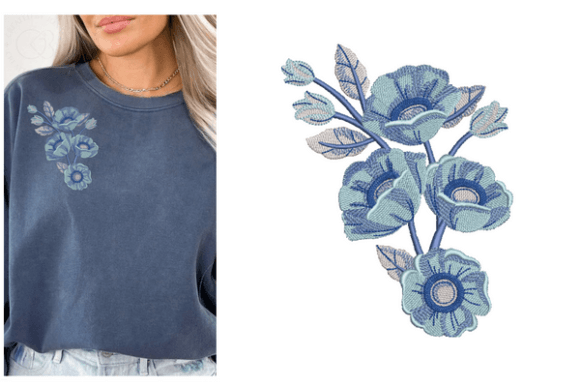
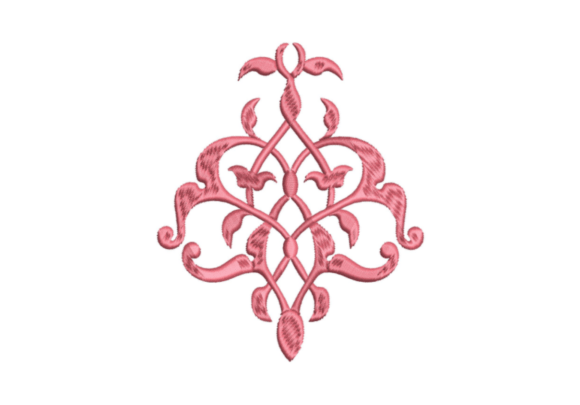
What struck me next was the rhythm of the layout. The ornamental quality leans into scrollwork and botanical flow without becoming fussy. This matters enormously for stitch clarity. When a single flowers plants design over-ornaments, you end up with muddied thread on anything smaller than a 6x10 hoop. This one reads clean. The negative space breathes. The curves feel intentional rather than compressed. For makers like me who regularly turn digital embroidery files into handmade products, that breathing room is the difference between a design that stings the eye and one that pulls you closer.
The Mood Test: What This Design Brings Into a Room
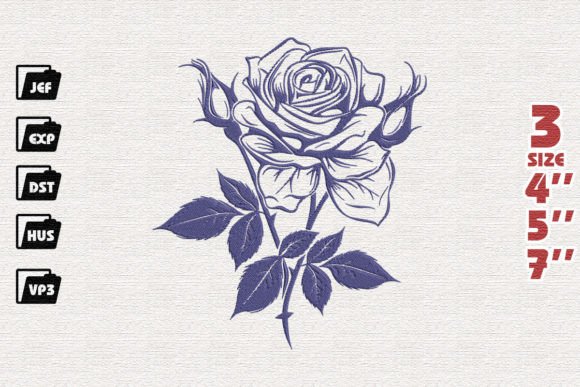
I loaded the preview onto my tablet and held it up against swatches I had lying around: dusty rose linen, oatmeal cotton canvas, sage green twill. Every single one worked. That is rare. Designs in the embroidery category often skew toward a single fabric personality, but the interlacing botanical lines here have enough structure to stand up on textured fabric and enough delicacy to not overpower a smooth poplin. The mood lands somewhere between vintage apothecary illustration and modern romantic minimalism. Think wild rose meets ornamental ironwork. It is poised without being precious.
For a small business owner or Etsy seller, mood translates directly into buyer engagement. I can already see the listing photography: a close-up of this design stitched in muted terracotta on a natural cotton tote, styled with dried lavender and a handwritten tag. That image alone would stop a scroll. This design has giftability baked in. It reads as intentional, as chosen, not just applied.
A Real Project Walkthrough: The Boutique Tote Decision
Let me ground this in something concrete. I recently prepared a small batch of custom tote bag designs for a local boutique client. Her brief was understated elegance, botanical theme, neutral palette. I had three designs shortlisted. The Enchanted Elegance Ornamental Embroidery was the one I kept returning to, and here is why: a tote bag gets handled roughly. Shoulder friction, grocery runs, folded into the bottom of a car. A design with dense, tightly packed satin stitch sections can pucker or snag over time. This design balances fill stitch with open ornamental loops, keeping the thread coverage substantial without creating stiff, crack-prone zones.
I tested it on a midweight canvas tote in natural cream. The stitched result held its shape beautifully. The curves stayed smooth. The small botanical details at the center, likely a stylized bloom, read clearly at arm's length without turning into a blurry dot. That is a critical test for any embroidery project destined for a finished product that customers will carry publicly. People notice embroidery on bags. It sits at hip level. It gets studied in coffee queues. If the stitch work crinkles or the design loses its identity at conversation distance, the perceived value drops sharply. This design passed.
Where This Design Truly Belongs
After running through my usual set of mental placements, I kept coming back to a handful of ideal applications. The ornamental nature makes it a natural fit for projects that carry a sense of occasion or elevated everyday luxury:
- Bridal and wedding accessories: ring bearer pillows, handkerchief corners, bridal robe monograms with this as an accent, veil storage bags
- Nursery decor and heirloom baby items: crib sheet corners, muslin wrap details, baby gown chest embroidery, a framed hoop for the nursery wall
- Boutique home textiles: linen pillow covers, tea towel accents, napkin corners for a curated tablescape, curtain tieback embellishments
- Personalized gifts: initials paired with this design on a jewelry pouch, a book cover for a journal, a padded eyeglass case
- Small shop merchandise: apron chest accents for a bakery, cap side panels for a gardening brand, zip pouch fronts for a stationery line
What ties all these together is the idea of careful placement. This is not an all-over repeat. It is a focal point design that commands its own territory on the fabric. Honor that. Give it room. Do not crowd it with competing elements, and for the love of good stitching, do not shrink it down to fit a tiny hoop size without testing. Small ornamental details can collapse into thread blobs if the scaling is aggressive.
The Hoop Reality Check: Size Matters More Than You Think
One practical headache I have learned to anticipate: designs with elegant openwork sections and slender connecting stems can become fragile at small dimensions. If the Enchanted Elegance Ornamental Embroidery is supplied in a large format, do not assume it will reduce gracefully to a 4x4 hoop. The slender elements that give it such a refined silhouette rely on a certain minimum line weight to stitch cleanly. Before committing to a baby embroidery onesie or a narrow cap side panel, run a sew-out on scrap fabric at your intended size. Inspect the stitch density in those tight inner curves. If the thread perforates the fabric or the detail closes up, the design needs more room to breathe.
For caps and hats, the curved surface presents an additional challenge. Ornamental designs with horizontal spread can warp slightly across the center seam. I would position this design slightly off-center on a cap side panel rather than dead center on the front, preserving its symmetry while avoiding the structural distortion of the crown seam. Small adjustment, big payoff.
Fabric Choices That Make or Break the Look
I am going to be direct about fabric selection because this is where I see too many craft business owners get frustrated. The Enchanted Elegance Ornamental Embroidery has delicate transitions. On a stable woven fabric like linen, cotton twill, or quality quilting cotton, those transitions shine. On a loosely knit sweater or a high-stretch jersey without adequate stabilizer, the design will shift during stitching and the ornamental loops will lose their crisp edges. Use a cut-away stabilizer for stretchy garments. Use a crisp tear-away for structured wovens. Do not skip a topping film on fluffy or textured surfaces like fleece or terry cloth, because those tiny botanical details will sink into the nap and disappear.
Regarding dark fabric, I would test thread color contrast carefully. The design's elegance depends on visible detail. A single-tone dark thread on black fabric might lose the nuance entirely. Either go tonal with intentional subtlety for a tone-on-tone luxury effect, or choose a thread color that sits two to three shades lighter than the fabric for legibility. I often do a quick black-and-white preview on my screen to check contrast before winding a single bobbin. It reveals whether the design holds up without color as a crutch.
Customer Perception and the Handmade Premium
One thing I constantly evaluate as a designer is whether an embroidery design elevates the base product or simply decorates it. The former commands a higher price point and customer trust. The latter feels like an afterthought. The ornamental character of this design does the heavy lifting of making a simple item feel curated. When a customer picks up a tea towel with this stitched in the corner, the reaction is not "oh, a flower." It is "where did you find this?" That distinction matters for Etsy sellers, craft fair vendors, and anyone building brand consistency through textile products.
For printable mockups and digital product previews, this design also holds its own. The silhouette is distinctive enough that even in a flat digital presentation, the eye recognizes it as something special. When I create listing images, I want a design that photographs well from multiple angles. The layered floral and scroll structure here creates natural shadow depth, which translates into more dynamic product photography without needing to over-style the scene.
Commercial Use and Licensing: The Conversation You Should Not Skip
Before you stitch the Enchanted Elegance Ornamental Embroidery onto anything destined for a commercial embroidery run or your Etsy shop, pause and verify the license terms. I cannot state what those terms are because they are not part of the provided design documentation. What I can tell you is that assuming commercial rights is a fast track to a legal headache. Check whether the file permits use on finished products for sale, whether there are quantity limits, and whether you can include it in digital embroidery file bundles you resell. Protect your small shop product reputation by staying compliant. This applies to every design, no matter how much you love it at first stitch.
Thread Palette and Color Personalization
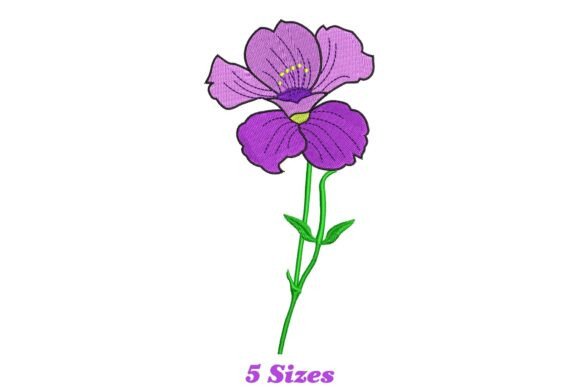
The botanical character of this design invites thoughtful color choices. I would avoid a literal green stem and pink petal unless the project specifically calls for it. Instead, I lean toward monochromatic palettes for a sculptural, high-end look, soft ombres that transition through the ornamental curves, or metallic accents for holiday and bridal work. Because the design is rooted in the single flowers plants aesthetic, it carries enough organic familiarity that even abstract color treatments read as intentional rather than confused.
When I tested a muted copper thread on a slate blue linen, the result felt architectural and modern. A pale blush on cream was softly romantic. A deep evergreen on natural cotton leaned into an apothecary feel. Each shifted the finished product personality without compromising the design's integrity. That range is valuable when you are building a cohesive craft business collection where several products need to feel related without being identical.
Durability Notes for Everyday Use
Items that get washed often, kitchen towels, baby bibs, pillowcases, need designs that can handle friction and moisture without degrading. The Enchanted Elegance Ornamental Embroidery layout, with its balance of open and filled areas, reduces the risk of the stiff, boardy feel that comes with over-dense stitching. That said, I would still recommend a gentle wash cycle and air drying for products carrying this design, especially if you used metallic or specialty threads. The delicate connecting elements will fare better over time if they are not subjected to aggressive dryer cycles. For personalized gifts where the recipient may not know these care nuances, attach a small fabric care card. It adds a professional touch and protects your work.
Final Thoughts From the Stitching Table
What I appreciate most about the Enchanted Elegance Ornamental Embroidery is that it rewards patience. It is not a slap-it-on-and-ship design. It asks you to consider fabric, placement, and thread thoughtfully. In return, it delivers a handmade product that feels expensive and considered, exactly the kind of item that builds repeat customers and word-of-mouth referrals. For apparel decorators looking to offer something beyond basic florals, for creative entrepreneurs curating a boutique line, and for makers who want their stitched work to speak of skill rather than shortcut, this design earns its place in the library.
Test it on your chosen fabric first. Give it the hoop space it deserves. Honor the ornamental grace with a placement that lets it breathe. And then step back and watch what happens when someone notices the stitching for the first time. That moment is why we do this work. The Enchanted Elegance Ornamental Embroidery understands that assignment.