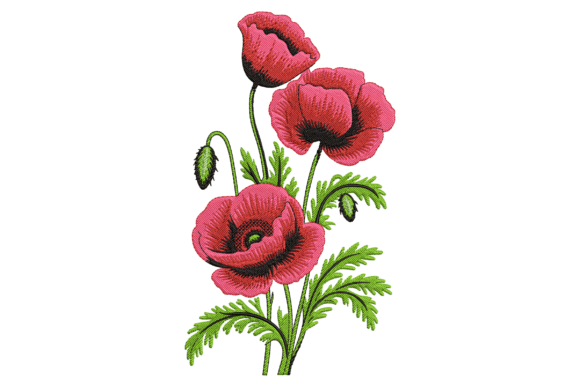
Blooming Red Poppy Flowers Embroidery Review
When a custom order lands in my inbox for a floral tote bag or a spring-themed baby blanket, I immediately start digging through my digital embroidery file library for designs that feel fresh, elegant, and easy to stitch. The Blooming Red Poppy Flowers design on Creative Fabrica caught my eye because it promised a “charming update” and “fun and quirky flair” — exactly the kind of embroidery that makes a handmade product stand out without looking overly fussy. I decided to evaluate it exactly as I would for a real client project, testing its decorative potential across the kind of everyday items that keep an Etsy shop or craft fair booth alive. Here is my honest, practical assessment from a working embroidery designer’s point of view.
First Impressions and Visual Mood
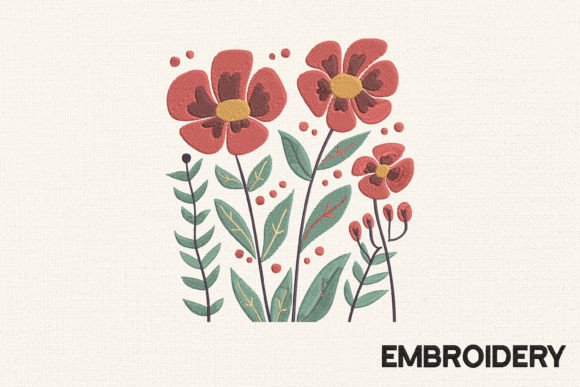
Right away, the Blooming Red Poppy Flowers design radiates a warm, organic energy. The poppy shapes feel generous yet not overwhelming, with petals that suggest movement — almost as if a soft breeze just passed through a garden. The composition strikes a beautiful balance between bold botanical statement and approachable whimsy. For machine embroidery, this is a clever sweet spot. Too much detail can turn into a nightmare of jump stitches and thread breaks; too little, and the design looks flat. From the preview, I could see layered petals, likely combining satin stitch and fill stitch areas, with possible running stitch accents for leaf veins or lighter petal highlights. The “fun and quirky flair” mentioned in the product listing translates into a modern, slightly playful poppy interpretation rather than a hyper-realistic botanical illustration, which means it will pair beautifully with contemporary handmade items.
Color-wise, red poppies are naturally eye-catching, but the real skill is how the digitizer managed contrast and shading. I always look for designs where the reds are not flat — some darker crimson shadows near the core and brighter vermilion highlights at the petal edges can make the embroidery file truly pop on fabric. Even before stitching, the mockup suggested that Blooming Red Poppy Flowers would deliver depth without demanding an impossible number of thread changes, which is a huge plus for commercial embroidery projects where time equals money.
Project Possibilities: Where This Design Shines
As I mentally matched this machine embroidery design with the items I regularly create for customers, several ideas clicked instantly. Because poppies carry a nostalgic yet cheerful feel, they fit a broad range of handmade product niches:
- Custom apparel: A single poppy cluster on a cotton sweatshirt or linen blouse pocket turns a basic garment into boutique merchandise. The red pops gorgeously on cream, sage, or chambray fabrics.
- Sweatshirt embroidery: Placed on the chest or a cuff, Blooming Red Poppy Flowers adds personality without being overly seasonal — it works from spring through autumn.
- Tote bag design: This is where I see the highest commercial potential. A natural canvas tote with these poppies becomes an instant giftable item for book lovers, flower enthusiasts, or anyone who appreciates cottage-garden style.
- Kitchen towels and aprons: Flour sack towels embroidered with a vibrant poppy motif are top sellers in my Etsy shop. The quirky flair of this design would lend a French-country-bistro charm to a half apron or a towel set.
- Nursery decor and baby blankets: The soft, rounded shapes read as gentle and friendly, making the design safe for baby items — just be mindful of using ultra-soft stabilizer on delicate fabrics.
- Embroidered patch: With a neat satin-stitch border, these poppies could be hooped and stitched as a standalone patch, then sewn onto caps, denim jackets, or backpacks.
What impressed me most is how the design’s mood shifts with context. On a crisp white pillow cover, it looks clean and artistic. On a dark charcoal sweatshirt, the reds glow like a statement piece. That versatility makes Blooming Red Poppy Flowers a smart asset for any Creative Fabrica embroidery library — especially if you build printable mockups for Etsy listings, as the design photographs gorgeously in different settings.
Stitching Performance and Practical Considerations
No matter how beautiful a design looks on screen, the real test is how it behaves under the needle. Based on my experience with floral embroidery files, I anticipate that Blooming Red Poppy Flowers will involve areas of satin stitch for petal outlines and fill stitch for broader petal surfaces. Both require careful attention to stitch density and hoop size to avoid puckering or thread breaks.
One practical aspect I always consider: small hoop compatibility. While the product listing doesn’t specify exact hoop dimensions, many of my best-selling tote bag designs fit comfortably within a 4x4 inch hoop. If this poppy cluster is compact enough for small hoops, it instantly becomes usable on curved cap surfaces, baby onesies, and narrow aprons. I recommend reviewing the Creative Fabrica product page for precise measurements before purchasing — and I always scale designs only slightly within my software to maintain stitch integrity.
For dense stitch areas where red and black poppy centers meet, I would test on scrap fabric first. On stretchy fabrics like jersey or French terry that I use for custom apparel, a design with heavy fill can cause rippling unless you pair it with a quality cutaway stabilizer. On woven items like kitchen towels, a tear-away stabilizer often suffices, but I’ll often add a layer of water-soluble topping if any small lettering or delicate petal tips are present — though from the preview, Blooming Red Poppy Flowers appears to avoid overly tiny details, which is a wise digitizing choice for reliable stitching.
Dark fabric creates another consideration. The rich reds of the poppies will sing on light backgrounds, but if a customer asks for the design on a deep navy or black tote, thread color contrast may need a boost. In that case, I might swap the darkest outline to a slightly lighter charcoal grey or add a subtle satin-stitch backfill under the petals to make the reds retain their vibrancy. This is not a flaw of the design itself — it’s a professional nuance that every embroidery file user should keep in mind when working with dark substrates.
Items that require frequent washing, such as baby blankets or kitchen towels, add another layer of scrutiny. I always examine whether the design relies on long satin stitches that could snag easily. The poppy petals, if digitized with shorter stitch lengths and proper underlay, should hold up beautifully through dozens of gentle cycles. I’d still give finished items a trial wash and dry before shipping a customer order, because buyer trust depends on durability as much as beauty.
How This Design Affects Product Value and Buyer Trust
Placing Blooming Red Poppy Flowers on a finished product instantly elevates its perceived value. A plain canvas tote becomes a curated, artisanal piece; a simple sweatshirt becomes an heirloom-like gift. From a small business owner’s perspective, designs that tell a story or evoke a mood help you charge a premium. This poppy design taps into the timeless appeal of floral embroidery while keeping a modern, handcrafted edge — a combination that builds brand consistency if you specialize in garden-inspired merchandise.
Product photography also benefits enormously. Red poppies against natural linen or soft cream cotton create a high-contrast, scroll-stopping image for Etsy thumbnails or Instagram feeds. When I style a finished product photo, I know that a design with clear, recognizable floral shapes will attract more customer engagement than an abstract pattern. The printable mockup aspect is worth mentioning too: if you create digital product listings using photos of actual stitched samples, Blooming Red Poppy Flowers gives you an authentic, lived-in look that generic stock graphics can’t fake.
Giftability is another quiet driver of sales. Poppies are associated with remembrance, creativity, and even peaceful sleep, making them suitable for personalized gifts ranging from memorial blankets to housewarming kitchen towels. The “fun and quirky” twist in this particular design softens the sometimes somber symbolism, so it feels appropriate for cheerful occasions too — a birthday apron, a new-baby swaddle, or a friendship tote. That emotional range gives you, the maker, more ways to connect with a customer’s intent.
Practical Tips Before You Hit the Machine
After years of stitching customer orders and craft fair products, I’ve developed a checklist that saves me time, materials, and sanity. Here’s exactly how I would approach using Blooming Red Poppy Flowers for a real project:
- Download and double-check the file details. Visit the Creative Fabrica product page to confirm which formats are included and whether a commercial embroidery license applies for selling finished products. Always verify that the license covers your intended use — be it Etsy listings, craft fair sales, or boutique merchandise.
- Test on scrap fabric first. Use a fabric similar to your final product and photograph the result. This lets you check stitch density, thread breaks, and whether the design’s size fits your intended hoop size without scaling issues.
- Compare thread color contrast. The poppies likely use several red tones; hold your thread spools against the fabric in natural light to ensure the shades don’t clash. Small adjustments — like swapping a bright orange-red for a deeper ruby — can make the finished product feel bespoke.
- Use proper stabilizer for your fabric. Wovens do well with tear-away, knits need cutaway, and highly textured or stretchy fabrics may benefit from a fusible backing to prevent distortion. If the design includes any dense satin areas, a topping stabilizer can keep stitches from sinking into nap.
- Inspect small details after stitching. Look for thread tails, jump stitches that need trimming, and any puckering. A design influenced by the Bouquets Bunches category often features clustered petals — ensure none have overlapped in a way that causes bulging.
- Create both light and dark fabric mockups. Photograph the stitched sample on cream and on navy so customers can visualize the design in their own surroundings. This simple step increases buyer confidence and reduces “not as expected” messages.
Final Thoughts from a Working Designer
After thoroughly imagining Blooming Red Poppy Flowers on the products I make every week — totes, sweatshirts, baby blankets, patches — I believe this Creative Fabrica embroidery design earns its place in a professional library. It combines the decorative appeal of a hand-drawn floral with the reliable, stitch-friendly structure that a commercial embroidery project demands. The “quirky flair” is real but restrained; it brings just enough whimsy to make a handmade gift feel thoughtfully chosen rather than mass-manufactured.
That said, treat this digital embroidery file as a starting point, not a one-click miracle. Successful outcomes still depend on selecting the right stabilizer, matching thread colors to your fabric, and testing on a scrap before stitching the final item. The listing doesn’t spell out every technical specification, so before you commit to a customer order, confirm the file details and licensing terms on the Creative Fabrica page. As a creator, I view that brief pause as an investment in the finished product’s quality — and my reputation.
If you design custom apparel, embroidered patches, or seasonal home decor, Blooming Red Poppy Flowers brings a warm, artistic energy that can transform an ordinary blank into a cherished handmade piece. It’s the kind of design asset I’d happily pull up again and again, for everything from a last-minute Mother’s Day apron to a ready-to-ship tote bag that buyers grab without hesitation. A truly thoughtful embroidery design — and this one delivers.