Testing Mama s Kitchen Helper for Personalized Gifts
First Impressions and the Emotional Pull
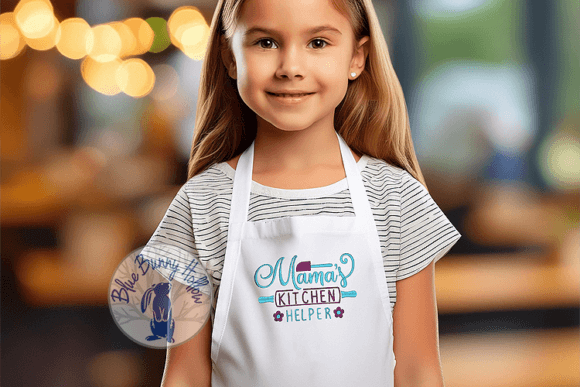
When I first opened the preview for Mama s Kitchen Helper, I paused and smiled. There is something genuinely heartwarming about the combination of a little spatula, a classic rolling pin, and soft floral accents all gathered into one cohesive machine embroidery design. It walks a beautiful line between playful and elegant. The mood is not overly childish, yet it carries enough whimsy to feel perfect for family-centered embroidery projects.
As a designer who regularly tests embroidery files for personalized gift products, I look for designs that tell a story without needing words. Mama s Kitchen Helper does exactly that. The delicate flowers soften the utilitarian tools, making the overall impression feel handmade, sweet, and gently romantic. It leans more charming than modern, and that is precisely what draws in customers looking for meaningful custom embroidery gifts.
The emotional appeal here is strong. This is not just a design about cooking. It captures the memory of a child standing on a stool beside a parent, flour dusted across the counter, small hands gripping a wooden spoon. For gift shop owners and Etsy sellers, that narrative is pure gold. It transforms a simple embroidered towel or pillow cover into an heirloom piece that tugs at the heart.
Ideal Products for This Design
I mentally mapped out at least a dozen product applications while studying the stitch flow. The versatility of Mama s Kitchen Helper makes it a smart addition to any small shop product lineup. Here is where I see it performing best and attracting the right buyers.
Kitchen Towels and Aprons
This is the most obvious and rewarding canvas. A high-quality flour sack or linen-blend kitchen towel becomes a charming personalized gift when this embroidery design sits centered near the hem. For aprons, placing the design on the chest area or across a pocket creates an instantly giftable item. The theme resonates with home bakers, new parents, and grandparents alike. I recommend testing thread colors that contrast gently rather than sharply. Soft sage green, muted coral, warm cream, or dusty blue bring out the floral details beautifully without overpowering the spatula and rolling pin silhouette.
Baby Blankets and Nursery Decor
The baby embroidery market is fiercely competitive, but Mama s Kitchen Helper carves out a unique niche. It appeals to parents who want nursery items that feel personal without being overtly infantile. I can picture this stitched in the corner of a cotton muslin baby blanket, paired with a tiny embroidered name or birth date underneath. The floral elements give it a gentle nursery feel, while the kitchen tools speak to family heritage. For nursery decor, a small framed embroidery hoop displaying this design makes a lovely wall accent, especially in a kitchen-adjacent breakfast nook or a play kitchen area.
Wedding and Family Keepsakes
Wedding gift buyers constantly search for designs that feel both personal and timeless. Mama s Kitchen Helper fits beautifully into bridal shower offerings. Embroidered onto a linen pillow cover with the couple's name and wedding date, it becomes a keepsake that celebrates home and togetherness. For anniversary gifts or multi-generational family presents, the design carries a subtle nod to recipes passed down through the years. The emotional connection runs deep, and that is what buyers pay for.
Tote Bags and Pillow Covers
Custom tote bags remain a staple for craft fair products and Etsy listings. This embroidery design works wonderfully on sturdy canvas totes used for farmers market trips or carrying cookbooks. On pillow covers, the design invites a cozy, lived-in warmth. I would suggest a medium placement, not too large, allowing the fabric texture to frame the stitched area naturally. The design's moderate detail level means it reads clearly even from a short distance, which is critical for products photographed in lifestyle settings.
Where Extra Care Makes the Difference
Not every surface handles delicate embroidery gracefully. While Mama s Kitchen Helper is not overly complex, it does contain small lettering potential, fine floral stems, and slender tool handles that demand respect during production. I always advise fellow makers to avoid thick, plush towels where fine details sink and disappear. If a customer insists on terry cloth, a water-soluble topper becomes non-negotiable to keep the stitches crisp on the surface.
Stretchy baby clothes pose another challenge. Knit fabrics can distort the design if stabilizer choice is not dialed in properly. A cut-away stabilizer provides lasting support, especially for items that endure frequent washing. Curved surfaces, such as the sides of tote bags or the neckline of an apron, require careful hooping and possibly a basting stitch to hold everything in place without puckering.
Dark fabric presents a beautiful but tricky backdrop. The floral details in Mama s Kitchen Helper rely on subtle shading and delicate outlines. On black or deep navy fabric, lighter thread colors may need an extra layer of underlay stitching to pop. I always test on scrap fabric before committing to a finished product, and I run one mockup on light fabric and one on dark to compare contrast levels side by side.
How This Design Elevates Finished Products
Giftability is the heartbeat of any handmade product business. When a customer picks up an embroidered towel or baby blanket, they are not just buying fabric and thread. They are buying the feeling of giving something irreplaceable. Mama s Kitchen Helper amplifies that perceived value because the design feels intentional and story-rich. It signals to the buyer that the maker understood the assignment: create something warm, personal, and enduring.
I have noticed that designs with emotional narratives consistently outperform generic motifs in customer trust and repeat sales. A buyer who receives compliments on a kitchen towel embroidered with this design is likely to return for a matching apron or a coordinating pillow cover. The handmade quality shines through when the stitching is clean, the stabilizer choice is correct, and the thread colors harmonize with the fabric. Product photography also benefits tremendously. Lifestyle shots featuring this embroidery on a sunlit kitchen counter, next to a small child's wooden rolling pin, create instant buyer engagement. The story practically writes itself.
Practical Embroidery Notes Before You Stitch
Every seasoned embroidery designer develops a pre-stitch checklist, and mine has grown through plenty of trial and error. Before loading Mama s Kitchen Helper onto the machine for a paid order, I run through these steps religiously.
Test on scrap fabric first. This is non-negotiable. Even if the digital embroidery file looks perfect on screen, thread tension, fabric grain, and stabilizer interaction can introduce surprises. I always stitch one sample completely before starting a customer's blank.
Check thread color contrast carefully. What looks lovely on a white background may wash out on natural linen. I keep a small swatch library of my most-used fabrics and lay thread spools across them under daylight lighting to confirm visibility. The spatula outline should read clearly, and the flower petals should not blend into the background.
Review stitch density after the test run. If the design feels stiff or causes fabric puckering, adjusting density or using a different stabilizer can solve the issue. The goal is a smooth, professional finished product that holds up through washing without distorting.
Compare light and dark fabric mockups. Even if most orders come in on cream or white fabric, having a dark fabric sample ready for customer preview expands sales opportunities. Buyers love seeing how a design translates across different backgrounds.
Check small details after stitching. The delicate flower centers and the rolling pin handles deserve a close inspection. Loose threads, missed stitches, or slight misalignment can be caught and corrected before the item reaches the customer. A magnifying loupe or a phone camera zoom works wonders here.
Use proper stabilizer matched to the fabric. Wovens, knits, and plush surfaces each demand different support. A sturdy cut-away stabilizer suits stretchy baby clothes, while a tear-away may suffice for tightly woven linen. Matching stabilizer to fabric texture prevents long-term sagging and keeps the embroidery file stitching looking fresh for years.
Before offering finished products for sale, I strongly recommend confirming any commercial licensing requirements associated with the digital embroidery file. Terms vary between design sources, and small business owners protect themselves by verifying what is allowed for handmade product sales, Etsy listings, and craft fair offerings. Most designers provide clear documentation upon request.
Final Thoughts for Sellers and Makers
Adding Mama s Kitchen Helper to a product catalog feels like a strategic and heartfelt choice. The design bridges the gap between Kitchen Cooking themes and broader personalized gift categories, giving makers flexibility across seasons and occasions. It works for Mother's Day, baby showers, wedding gifts, and everyday family moments alike.
I appreciate designs that do not require constant re-hooping or complex color changes to look beautiful. This embroidery file appears thoughtfully composed, with enough detail to feel special without becoming a production bottleneck. For Etsy sellers managing multiple orders or small shop owners preparing inventory for a busy market weekend, that balance matters enormously.
When I evaluate a machine embroidery design for my own gift collection, I ask myself two questions. Would I proudly give this finished product to someone I love? Would the recipient understand the meaning behind it without explanation? For Mama s Kitchen Helper, the answer to both is a confident yes. The design captures something timeless: the warmth of a kitchen filled with love, laughter, and a little helper who is always eager to stir the batter.
Take the time to test thoroughly, choose fabrics thoughtfully, and present the finished embroidered piece in packaging that reflects the care stitched into every thread. The right design, executed well, turns a simple towel or blanket into a memory. And memories, beautifully made, are what keep customers coming back.