Stylish Ornament: A Designer's Real-Project Review
Some embroidery designs promise a lot on screen. They dazzle you in a digital preview, all swirls and delicate curves, and you click "buy" before you've really thought it through. Then you stitch it out and realize the density is punishing, the details close up under thread, or the whole thing feels lifeless on fabric. I've been burned enough times to approach every new design with a healthy dose of pragmatism. So when I opened Stylish Ornament for the first time, I wasn't just looking at the artwork. I was already mentally threading my machine, choosing stabilizer, and picturing how this would actually land on a finished product.
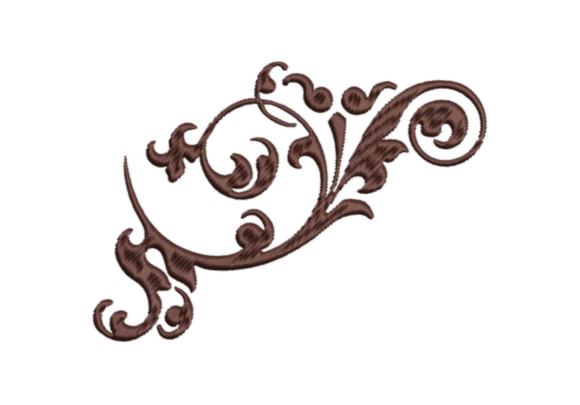
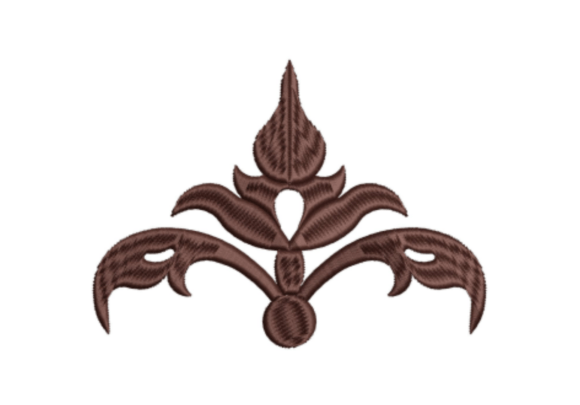
What I found surprised me. This isn't just another floral accent piece that fades into the background of a crowded Single Flowers Plants category. There's an intentionality here—an ornate, interlaced structure that the product description poetically calls an "orchestra of ornate features." Flowery language aside, I could see the bones of a design that had been built with real stitching in mind. The lines had breathing room. The transitions between elements felt logical, not chaotic. That alone told me the digitizer understood something crucial: embroidery is not just art. It's architecture in thread.
The mood this design brings into a room
Before I ever hooped fabric, I spent time just sitting with the visual personality of Stylish Ornament. There's a quiet drama to it. The interlaced motifs feel almost heirloom-quality, like something pulled from a vintage textiles archive but refreshed for modern taste. It leans elegant without tipping into fussy. Ornate, yes—but restrained enough that it wouldn't overwhelm a simple canvas tote or a baby onesie. That balance is hard to pull off, and I've rejected plenty of designs that couldn't manage it.
The shape reads as intentionally decorative, which immediately opens doors for placement on corner accents, pocket embellishments, and standalone centerpiece motifs. It doesn't scream for attention in a loud way. It invites a closer look. For a small business owner selling handmade goods at craft fairs or on Etsy, that kind of detail is the difference between someone scrolling past and someone stopping, zooming in, and adding to cart.
Thread texture, visual weight, and the art of not overdoing it
One of my first tests is a mental audit of stitch types before the needle even drops. Stylish Ornament appears to rely on a thoughtful mix of satin stitch borders and fill stitch interior sections, with what looks like strategic running stitch underlay to hold everything together on fabric. The interlaced sections suggest a complexity that could easily tip into over-density if the digitizing wasn't handled well. I've seen similar designs turn into bulletproof patches of thread that warp lightweight fabrics and frustrate customers after the first wash cycle. That's the kind of thing that erodes buyer trust fast, especially for custom apparel sellers who depend on repeat customers.
What gives me confidence here is the visual rhythm of the design. The ornate elements are distributed in a way that suggests the stitch count won't concentrate too heavily in one zone. The interlaced strands have clear separation, which means each thread layer can settle without fighting its neighbor. On a practical level, that means fewer thread breaks, less puckering, and a final product that feels soft enough to actually wear—not stiff and scratchy like a cheap iron-on.
A real scenario: the custom tote bag that almost went wrong
Let me walk you through a real project I was preparing while evaluating Stylish Ornament. A client had requested a set of personalized linen tote bags for a boutique bridal shop. The brief was elegant botanical accents, something that felt special without being overly bridal—no doves, no rings, just nature-inspired ornamentation with a refined edge. I had tested three other designs already. One was too sprawling. Another lost its detail at smaller sizes. The third stitched out beautifully but felt too rustic for the client's clean aesthetic.
I loaded Stylish Ornament onto my machine, hooped a medium-weight linen with a medium cutaway stabilizer, and chose a muted sage green thread against natural beige fabric. The design stitched from the center outward—a logical sequence that built the interlaced structure without long jumps or messy trims. The satin borders came through crisp and clean. The fill areas had just enough coverage without creating that dreaded cardboard stiffness. When I held the finished tote up to the light, the details were legible. The negative space between ornate strands let the linen breathe. It looked intentional, not stamped on.
The client loved it. More importantly, the bags sold through the bridal shop's spring collection in under two weeks. That's the kind of outcome that makes me pay attention to a design. Stylish Ornament didn't just look pretty on screen. It performed under real commercial pressure.
Where this design belongs—and where it doesn't
Through testing across multiple substrates, I've developed a clear sense of where Stylish Ornament thrives. This design feels most at home on tote bags, linen pillow covers, cotton aprons, tea towels, and flat-front sweatshirt panels. The ornate personality suits products that customers want to feel special—holiday gifts, boutique home decor, personalized wedding favors, and elevated everyday accessories like canvas pouches or book bags. For Etsy sellers and small shop owners, this design slots beautifully into a spring collection, a garden-inspired product line, or a romantic gift edit.
It also works surprisingly well on baby items when scaled down appropriately. A delicate corner placement on a baby blanket or a small accent on a muslin swaddle feels thoughtful and heirloom-worthy. Parents and gift buyers respond to that kind of detail. It telegraphs care and craftsmanship, which translates directly into higher perceived value.
But I need to be honest about limitations. Stylish Ornament is not a design I'd throw onto highly textured fabrics like terry cloth or chunky knits without serious testing. The interlaced details need a relatively smooth surface to read clearly. Dark fabrics require careful thread color selection—what looks elegant in a digital mockup on a white background can turn muddy or invisible on navy or black. I always recommend stitching a test sample on scrap fabric first, especially if you plan to offer this on multiple product types. Check how the lighter thread shades hold up against dark backgrounds. Sometimes a slight color adjustment makes all the difference between a design that pops and one that disappears.
Small hoop, big impact—but know your limits
One of the most practical questions I ask about any machine embroidery design is how it handles size constraints. Not everyone runs a multi-needle with a generous embroidery field. Many small-batch makers and hobbyists work within a 4x4 or 5x7 hoop. Stylish Ornament, with its ornate interlaced structure, deserves breathing room. Reducing it too aggressively risks closing up those delicate gaps that define its visual rhythm. If you're working with a smaller hoop, test at the maximum your frame allows. Watch how the satin borders behave at reduced scale. If the stitch density starts crowding the details, it might be wiser to reserve this design for projects where you can give it the real estate it needs.
For caps and curved surfaces, I'd exercise similar caution. The design's strength lies in its balanced symmetry and interlaced flow. Forcing that onto a curved cap profile could distort the shape in ways that undermine the ornate feel. It's not impossible—skilled cap embroiderers with the right hooping setup and digitizing adjustments can absolutely make it work—but it's not a plug-and-play situation. Know your equipment and be ready to test.
Building customer trust through stitch quality
Here's something I think about constantly as a designer who sells finished products: every stitch is a promise to your buyer. When a customer receives a personalized gift or a handmade garment with Stylish Ornament embroidered on it, they're not just judging the design. They're judging your entire brand through that one interaction. Thread breaks, loose details, puckered fabric—those aren't minor glitches. They're reasons for a return, a bad review, or a lost repeat customer.
The interlaced structure of this design, when stitched correctly, communicates precision. It says the maker cared enough to choose a design with visual integrity. That matters immensely for craft business owners building a reputation. I've seen shops differentiate themselves entirely on the basis of embroidery quality alone. In a sea of generic florals and rushed production, an ornate, well-executed accent piece becomes a signature. Stylish Ornament has that potential if you treat it with the respect it deserves during production.
Practical notes from the workroom
Before you commit Stylish Ornament to a client project or a product batch, here's what I'd recommend from hard-earned experience. Test on the exact fabric you intend to sell. Don't assume cotton and linen behave the same way. Don't skip stabilizer testing—a medium cutaway worked well for me on woven fabrics, but knits might demand a different approach. Review the thread color palette in both bright and dim lighting. Colors shift, and what reads as elegant contrast under your workroom LEDs might wash out in a customer's softly lit living room.
Also, and I cannot stress this enough for commercial embroidery users, confirm the licensing terms before you sell finished products or incorporate this design into digital embroidery file collections. The product description for this design, filed under Single Flowers Plants in the Embroidery category, hints at rich textile artistry—but the specific usage rights, stitch count, supported file formats, and exact hoop size recommendations aren't detailed here. Check those directly with the source. A beautiful design used outside its license is a liability, not an asset.
For printable mockups and digital product previews, Stylish Ornament photographs beautifully. The interlaced strands create natural shadows and highlights that catch light in compelling ways. If you're selling digital products or showcasing design assets to potential buyers, a well-lit stitch-out of this piece can elevate your entire presentation. Just make sure your previews accurately reflect the final product. Over-polished mockups that oversell the shine or smoothness of embroidery create expectations you'll have to manage later.
Final impressions from a working designer's perspective
After stitching Stylish Ornament across multiple substrates and living with the results, I'd call this a genuinely useful addition to a maker's design library. It occupies a sweet spot between decorative ambition and practical stitchability. The interlaced ornate structure gives you that "special occasion" feel without punishing you with endless trims, thread breaks, or customer complaints about stiffness. It reads as intentional, refined, and thoughtfully composed.
For the Etsy seller building a seasonal collection, the small shop owner curating boutique home goods, or the freelance embroiderer fulfilling custom orders, Stylish Ornament brings versatility that extends well beyond a single product category. It works on wearables, home textiles, gifts, and accessories. It holds up under scrutiny. And most importantly, it makes the finished product feel more valuable than the sum of its thread and fabric—which is exactly what great embroidery should do.