Smiley Flowers: An Embroidery Designer's Apparel Review
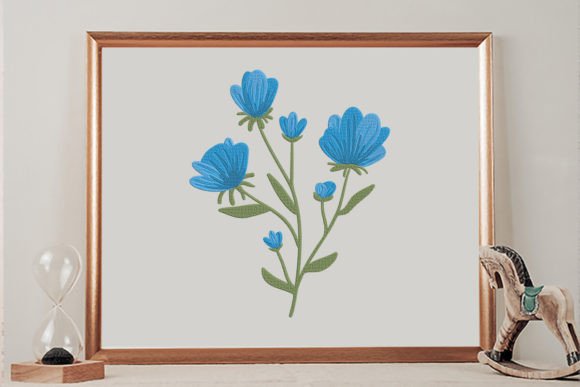
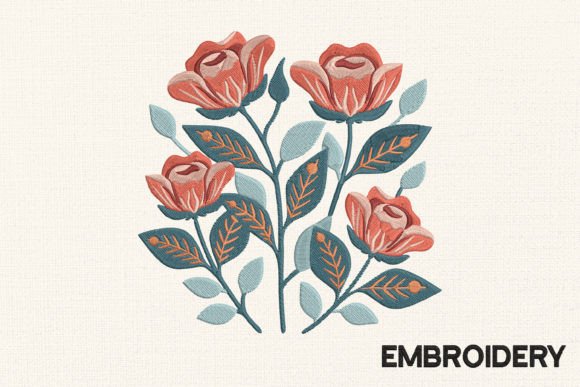
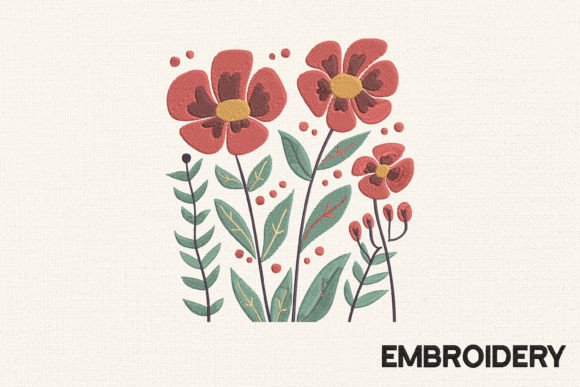
There is something immediately uplifting about Smiley Flowers. When I first opened the design preview on Creative Fabrica, I felt that rare combination of playful charm and boutique potential. This is not a stiff, overly formal floral motif. It carries a hand-drawn, cheerful personality that feels both nostalgic and surprisingly current. For anyone building a small apparel collection around cozy, smile-inducing pieces, this design deserves a serious look.
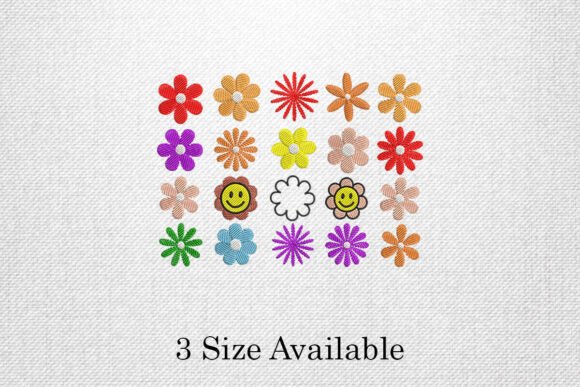
The visual mood lands somewhere between cute and trendy, with a gentle whimsy that does not tip into childish territory. The floral elements read as soft and approachable, while the smiling faces woven into the blooms give the design an emotional hook. That emotional quality matters enormously in boutique apparel. Customers gravitate toward pieces that feel personal and expressive, and Smiley Flowers delivers exactly that kind of connection. It feels like a design that would stop a browser mid-scroll on Etsy or a lifestyle Instagram feed.
From a decorative strength standpoint, the design appears balanced and well-composed. Flower motifs arranged in a clustered, bouquet-like formation tend to stitch out beautifully on apparel because they create a natural focal point without demanding perfect symmetry. The category listing of Bouquets Bunches makes perfect sense here. Bunched floral designs are forgiving on curved garment surfaces and offer flexibility in placement. I can already envision how this would anchor a chest design or add interest to a sleeve.
First Impressions and Visual Personality for Boutique Projects
When I evaluate any embroidery design for my own apparel line, I ask one question first: does this feel like a finished product someone would pay boutique prices for? With Smiley Flowers, the answer is a confident yes. The design has a premium casual energy that works across multiple garment styles. It is not trying too hard to be elegant, nor is it aggressively cartoonish. That middle ground is precisely where many successful custom apparel brands position themselves.
The stitching mood I anticipate here is textured and dimensional, with petal details that catch light and create visual depth. Floral embroidery thrives on fabric because the raised threadwork adds tactile richness that printing cannot replicate. If the stitch density is well-calibrated, each bloom will sit proudly on the fabric surface, giving the garment an unmistakable handcrafted quality. That perceived craftsmanship directly supports higher pricing and stronger buyer trust.
Color plays a starring role in this design. The product description hints at vibrant and imaginative flair, which suggests a lively thread palette. On neutral sweatshirts in cream, oatmeal, or taupe, the colors would pop beautifully. On pastel hoodies in lavender, mint, or butter yellow, the design would harmonize into something soft and seasonal. Even dark garments like charcoal or deep navy could work if the thread colors maintain enough contrast. I always recommend testing thread color contrast on a fabric swatch before committing to a full production run.
Placing Smiley Flowers on Sweatshirts and Hoodies
Let me walk through the placement scenarios I am actively considering for a small sweatshirt collection. The classic chest placement, positioned slightly off-center or directly centered on the upper left, remains the most commercially reliable option. It is what customers expect, it photographs well, and it works on every body type. For Smiley Flowers, a left chest placement at roughly three to four inches wide would feel intimate and intentional, like a small signature detail rather than a loud statement.
I am equally intrigued by sleeve accents. Embroidery on the upper sleeve has gained traction in boutique fashion over the past two years. A scaled-down version of this design sitting on the left or right sleeve of a crewneck adds an unexpected touch that elevates the entire garment. Sleeve embroidery signals design thoughtfulness, and that perception translates into higher perceived value. For Etsy sellers and handmade business owners, that distinction can justify a premium price point.
Back designs offer another compelling avenue. A larger rendition of Smiley Flowers centered between the shoulder blades on an oversized garment would create a dramatic, photo-ready statement piece. Oversized hoodies and relaxed-fit sweatshirts thrive on bold back embroidery. This approach leans into the streetwear-adjacent trend while keeping the emotional tone soft and approachable. It is a look that performs exceptionally well in lifestyle product photos and social media graphics.
For t-shirt applications, the design would work best on heavier fabric weights. Lightweight jersey can struggle with denser embroidery, leading to puckering or distortion. A midweight or heavyweight cotton tee provides enough stability to support the stitchwork cleanly. I would position it as a chest design on a relaxed-fit tee, or experiment with a smaller version near the hem for a subtle branded detail.
Tote Bags and Beyond: Expanding the Product Line
One of the smartest moves a small shop product line can make is offering coordinated accessories. Tote bag design using this embroidery file would pair naturally with any sweatshirt or hoodie featuring the same motif. Canvas totes with substantial body hold embroidery beautifully, and the flat surface eliminates many of the challenges posed by curved or stretchy garment areas. A tote bearing Smiley Flowers could serve as gift packaging, a standalone product, or a matching accessory that rounds out a cohesive collection.
I also see strong potential for denim jacket embellishment. The contrast between rugged denim texture and cheerful floral embroidery creates a compelling visual tension. A back panel application on a classic denim jacket would transform a basic wardrobe staple into a boutique brand signature piece. Customers respond to that level of intentional design.
Navigating Tricky Fabrics and Placement Pitfalls
Not every garment surface welcomes embroidery with open arms. Stretchy fabric like ribbed knits or highly elastic blends can distort under dense stitching, causing the design to ripple or warp after washing. If you plan to use Smiley Flowers on ribbed cuffs, side panels, or fitted silhouettes, test carefully first. I always run at least one sample through a wash cycle to observe how the fabric and thread behave together.
Fleece presents its own considerations. The plush texture of fleece-backed sweatshirts can swallow fine detail if the stitch density is too light or if the design contains very delicate elements. Conversely, overly dense stitching on fleece can create a stiff, uncomfortable patch against the skin. The key is finding the right stabilizer choice. A medium-weight cutaway stabilizer typically provides the support needed without adding unwanted bulk. I also recommend reviewing the hoop size requirements before purchasing to ensure the design fits your equipment and your intended garment area comfortably.
Dark garments demand extra attention to thread color contrast. What looks vivid on screen may read muddier on a black or navy background. Test thread choices against the actual fabric you intend to use. Sometimes swapping one shade within the palette makes all the difference in achieving the vibrant finish the product description promises.
Curved surfaces like shoulder seams, armholes, and hood edges are rarely ideal embroidery locations. The fabric shifts, the hoop struggles to grip evenly, and the finished result often looks distorted. I steer clear of placing any detailed design near these tension points. Stick to flat, stable zones like the chest panel, upper back, sleeve outer face, or tote bag front for the cleanest results.
How Smiley Flowers Strengthens Brand Identity and Customer Engagement
Every design choice you make as a boutique owner communicates something about your brand. Smiley Flowers communicates warmth, positivity, and a gentle sense of humor. For brands built around mental health advocacy, self-care messaging, or simply spreading joy, this design aligns perfectly with those values. Brand identity grows stronger when your visual elements consistently reinforce your core message.
Visual consistency across a product line builds buyer trust. When a customer sees a cohesive collection where embroidery designs share a common emotional tone, they perceive the brand as professional and intentional. Using Smiley Flowers across multiple garment types, a sweatshirt, a hoodie, a tote, and perhaps a cozy seasonal crewneck, creates that unified presentation without feeling repetitive.
Customer engagement often begins with an emotional reaction. Designs that make people smile, literally or figuratively, get saved, shared, and remembered. I can easily picture this design featured in a flat lay with dried flowers and warm lighting, generating the kind of organic social media traction that money cannot buy. For Etsy listings, the thumbnail alone would communicate the product mood instantly.
From a commercial embroidery perspective, this design offers strong return potential. Floral motifs with personality have staying power. They are not tied to a fleeting micro-trend that will feel dated in six months. The combination of classic floral structure with a playful twist gives Smiley Flowers the kind of versatility that supports long-term product availability.
Practical Designer Notes Before Production Begins
Before loading this design onto my machine and stitching it onto a finished garment, I follow a checklist that has saved me countless headaches. First, I test on scrap fabric that matches the weight and composition of the final garment. A cotton twill scrap behaves very differently than a fleece-backed sweatshirt panel. Testing on the wrong material yields misleading results.
Second, I check stabilizer choice against the fabric texture. Woven fabrics generally pair well with tear-away stabilizers, while knits and stretch materials almost always need cutaway support. For the fleece and jersey fabrics common in sweatshirt production, I default to a medium cutaway and adjust from there based on test stitch results.
Third, I review thread color contrast under natural and artificial lighting. What looks crisp under my studio lights may wash out in a customer's bedroom mirror. I compare thread swatches against the garment fabric in multiple lighting conditions before finalizing color choices.
Fourth, I confirm hoop size compatibility with my machine and with the intended placement area. A design that technically fits the hoop may still be too large for a petite chest panel or a narrow sleeve. Measure twice, stitch once.
Fifth, I inspect stitch density during the test run. Overly dense stitching creates stiffness and increases the risk of thread breaks during production. Underly dense stitching fails to deliver the vibrant, dimensional look the design preview promises. The sweet spot is where the design feels substantial but remains comfortable against the skin.
Sixth, I test on similar garment fabric even after an initial scrap test. A full garment behaves differently under the needle than a flat scrap. The weight of the fabric, the way it drapes, and the tension created by hooping all influence the final result.
Finally, I make it a habit to compare placement options before committing to a production run. Photograph the stitched sample on a dress form or model from multiple angles. What looks balanced flat may appear awkward on a body. Small adjustments to placement can dramatically improve the finished product presentation.
Checking Creative Fabrica Details Before Selling Finished Apparel
Because the product description for Smiley Flowers on Creative Fabrica is concise, I strongly recommend reviewing the full product page for details that directly impact commercial use. Confirm the embroidery file formats included in the download. Verify the hoop size requirements and stitch count if those specifications are listed. Most importantly, review the licensing terms to ensure your intended use, selling finished apparel items featuring this design, is fully covered under the Creative Fabrica embroidery license that applies to your account type.
If any detail is missing or unclear, reach out to Creative Fabrica support or the design creator before investing in production materials. A few minutes of due diligence protects your business and ensures every product you sell meets both legal and quality standards.
Final Thoughts on Smiley Flowers for Boutique Apparel
Smiley Flowers earns its place in a thoughtfully curated apparel collection. It brings warmth, versatility, and commercial appeal without requiring complicated production adjustments. For sweatshirt embroidery, hoodie accents, tote bag coordination, and seasonal boutique drops, this design offers a reliable foundation. It photographs well, resonates emotionally, and supports the kind of professional presentation that helps small clothing brands and creative entrepreneurs compete confidently in a crowded market.
I will be adding this design to my upcoming collection. With proper testing, smart placement choices, and attention to fabric behavior, Smiley Flowers has every chance of becoming a customer favorite and a staple in my product lineup for seasons to come.