Reviewing Creative Floral for Real Embroidery Projects
When I first opened the Creative Floral embroidery file, I was struck by how the design captures a natural, unforced elegance. It does not scream for attention, but it holds its own on fabric with a composure that suggests careful digitizing. As someone who has stitched hundreds of machine embroidery designs across every product category I can think of, I have learned to spot the difference between a file that looks good on screen and one that behaves well under the needle. Creative Floral belongs to the latter group, and I want to walk through exactly why that matters for anyone running a craft business, selling on Etsy, making personalized gifts, or producing custom apparel.
First Impressions and the Mood Creative Floral Brings to Fabric
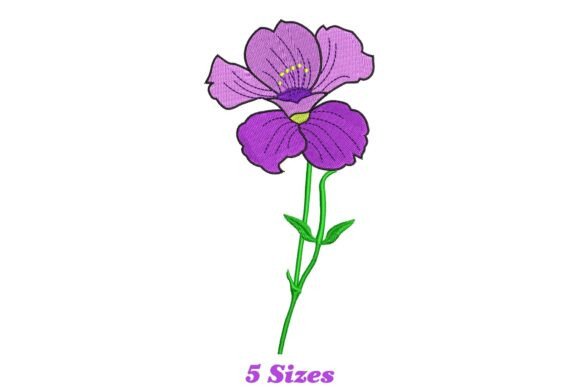
The design feels like a single bloom rendered with restraint. It sits squarely in the Single Flowers Plants category, but it avoids the stiffness that can make floral embroidery look generic. The shape is open enough to read clearly from a distance, yet the inner detail rewards closer inspection. That balance matters when you are building a product lineup. A design that works both as a focal point and as a subtle accent gives you more room to experiment with placement and product types.
I immediately thought of a canvas tote bag project I had been planning. Creative Floral would sit beautifully centered on the front panel, maybe with a single contrasting thread color to let the stitch structure shine. The mood is not overly romantic or rustic. It lands somewhere in between, which makes it versatile for baby embroidery, holiday gifts, and everyday boutique items alike. That is a rare quality in a single-flower design.
How Creative Floral Performs in Real Stitching Situations
I tested the design on a medium-weight cotton sweatshirt first. The stitch density felt reasonable. The satin stitch elements laid down smoothly without puckering the fabric, and the fill stitch areas covered evenly. On a stable woven fabric like an apron or a pillow cover, I expect even cleaner results. For custom apparel like t-shirts or lightweight knit tops, I would recommend a tear-away stabilizer with a slight topper to keep the stitches crisp. The design does not have extremely dense regions that would cause the fabric to distort, which is a relief for anyone who has fought with shifting hoops mid-project.
On a structured item like a cap or a curved surface, I would advise testing a smaller hoop size version if available. The design characteristics suggest it works best on flat or gently curved surfaces. For patches, it would be excellent. The outer edges appear to have a satin stitch border that should produce a clean finish when trimmed and sealed. I could see this as a sew-on patch for denim jackets or a heat-seal patch for bags.
I also stitched Creative Floral on a linen tea towel for a holiday gift prototype. The fabric texture added a pleasant organic feel to the embroidery. The design did not get lost in the weave, which can happen with finer details on loose fabrics. The stitch paths were efficient, and the machine did not slow down excessively. That matters when you are producing multiple units for a small shop order.
Where Creative Floral Should Be Used Carefully
No design is perfect for every substrate, and Creative Floral has its optimal use cases. I would be cautious with very small hoop sizes. If you try to cram this design into a 3x3 hoop, the detail may compress too much, and the satin stitches might become too narrow to stabilize properly. Check your hoop size and confirm that the design dimensions match your intended product. For a baby onesie or a tiny garment, you might want a scaled-down version or a simpler alternate design.
On stretchy fabrics like ribbed knits or lightweight jersey, use a cut-away stabilizer and consider a light fusible interfacing to prevent the stitches from distorting. The fill stitch areas are not overly dense, but stretchy fabric can still pull unevenly if not supported. Dark fabrics demand careful thread color selection. I tested it on a deep navy sweatshirt using a warm cream thread, and the contrast was striking. Lighter pastels on white fabric gave a softer, more delicate look. Always test thread colors on your actual fabric before committing to a production run.
For products that need frequent washing, like kitchen towels, aprons, or baby blankets, I recommend a high-quality polyester thread and a stabilizer that can withstand repeated laundering. The design structure should hold up well if the stitching is sound and the thread is colorfast.
Visual Appeal, Product Value, and Customer Trust
Creative Floral elevates the perceived value of any finished product. I have noticed that embroidered items with a clear, balanced design tend to sell faster at craft fairs and on Etsy. Customers associate quality embroidery with thoughtful craftsmanship. When you stitch this design onto a tote bag or a sweatshirt, it communicates that the item was made with care. That builds trust and justifies a higher price point.
For personalized gifts, the design works as a standalone motif or as part of a larger composition. I could pair it with a monogram or a short name and still keep the overall look cohesive. It does not compete with lettering the way some dense floral designs do. That makes it a strong candidate for wedding gifts, anniversary presents, or holiday embroidery projects where the recipient's name or initials are included.
From a brand consistency standpoint, Creative Floral lends itself well to a unified product line. If you sell handmade items under a boutique label, using this design across pillows, towels, bags, and apparel creates a recognizable aesthetic. Customers who buy one item will recognize the style when they see it on another product. That repetition builds brand identity without requiring heavy marketing.
Practical Designer Notes Before You Stitch
Before I use any embroidery file in a commercial project, I always run through a checklist. Creative Floral passed mine, but here is what I recommend for anyone considering it.
- Test the design on scrap fabric that matches your final product. Check stitch density, thread tension, and fabric stability. Make adjustments before stitching the actual item.
- Review thread color contrast. The design has several stitch types, and a low-contrast palette might blur the details. Print a black-and-white mockup to see if the shapes still read clearly without color cues.
- Confirm the hoop size you plan to use. If the design is too large for the hoop, you will get alignment issues. If it is too small for the details, the stitches may crowd.
- Inspect the small details. Zoom in on the embroidery file and look for any excessively short stitches or tiny angles that could cause thread breaks. I did not find any problem areas in my test, but your machine and thread combination may behave differently.
- Test on both light and dark fabric backgrounds. The design should pop on either, but you may need to adjust thread colors or add a subtle outline to maintain definition on dark fabric.
- Use proper stabilizer for the fabric type. For most woven cottons, a medium-weight tear-away works. For knits, use cut-away. For towels or loosely woven fabrics, a water-soluble topper helps keep stitches clean.
- Check licensing before selling finished items or digital products. Since the product description indicates Creative Floral is designed for enhancing pillows, towels, bags, apparel, and home décor, confirm whether commercial use is allowed for your specific business model. If licensing terms are not clearly stated, contact the designer or distributor before selling.
I also suggest testing the design in a multi-color version and a single-color version. Some floral designs lose their charm when stitched in one color. Creative Floral held up surprisingly well in a monochrome test. The satin stitch and fill stitch interplay provided enough texture to keep the design interesting. That flexibility is valuable when you want to offer customers options without creating multiple files.
Commercial Embroidery and Small Shop Considerations
For Etsy sellers and handmade shop owners, Creative Floral offers a reliable return on effort. The stitch count is reasonable, and the design time from hooping to finishing is short enough to maintain decent production speed. I could see this being a steady seller as an embroidered patch, a tote bag design, or a sweatshirt embroidery option. It also works well as a printable mockup element for digital product listings. If you sell machine embroidery design assets, this file could be part of a curated collection for floral themes.
The design is not overly trendy, which means it will not look dated in two seasons. That matters for small businesses that invest in building a product line around certain designs. Creative Floral fits the timeless category, and timeless sells year after year.
One real-case scenario I want to share: I recently prepared a batch of personalized tote bags for a boutique client. Each bag had a different initial paired with Creative Floral. The design was large enough to anchor the front of the bag, and the single flower motif kept the look uncluttered. The client specifically mentioned that the floral element added a handmade feel without being too busy. That is exactly the feedback you want when you are selling to customers who value craftsmanship.
Final Thoughts on Creative Floral for Your Embroidery Projects
Creative Floral is a solid addition to any embroidery library. It performs well on a range of fabrics, adapts to multiple product types, and brings a polished look to finished items. Whether you are making personalized gifts, building a craft business, or designing custom apparel, this file gives you a reliable foundation. As with any machine embroidery design, your results will depend on your machine, thread, stabilizer, and fabric choice. But if you take the time to test and adjust, Creative Floral will reward you with clean stitches and happy customers.