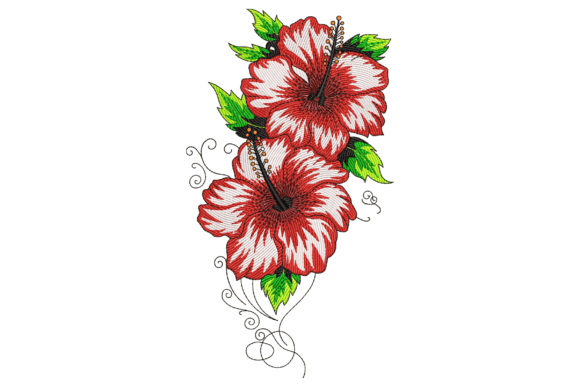
Hibiscus Flower: Craft Fair Product Review for Embroidery Sellers
As an embroidery designer who has prepped countless booths for weekend craft fairs, I have learned to judge a machine embroidery design not by its preview image alone but by how it performs on real products that customers actually buy. When I reviewed the Hibiscus Flower embroidery file for my upcoming season, I evaluated it the same way I evaluate every digital embroidery file before stitching it onto inventory. This review comes straight from the trenches of handmade market preparation, and I want to share what I found so you can decide if this design belongs in your own craft fair product lineup.
First Impression: Bold, Cheerful, and Instantly Recognizable
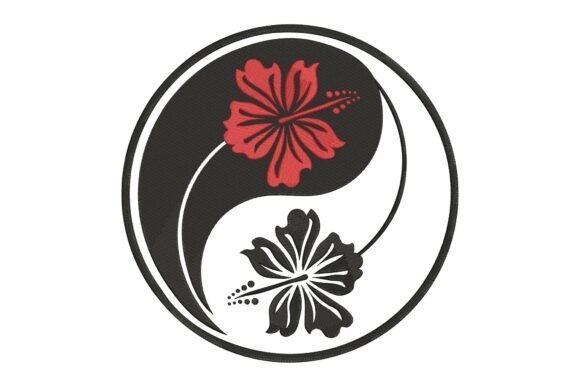
The Hibiscus Flower design hits you with immediate visual warmth. It feels cheerful and artistic exactly as the product description promises, but it also carries a tropical yet versatile mood that works across multiple seasons. Unlike some floral embroidery designs that lean overly delicate or farmhouse rustic, this hibiscus strikes a balance between bold statement and approachable charm. It is not trying to be subtle. It wants to be noticed. And at a craft fair booth where customers scroll visually across a table of tote bags and tea towels in seconds, that confidence matters.
The design reads as modern and decorative with a touch of festive energy. It does not feel overly cute or juvenile, which broadens its appeal to adults looking for home decor or accessories with personality. For an embroidery business owner building a cohesive booth display, this hibiscus fits neatly into a Single Flowers Plants category while standing out as a motif that customers can immediately name. That recognition triggers purchase decisions faster than generic floral shapes.
Tote Bags and Market Bags
This is where the Hibiscus Flower truly shines. On a sturdy canvas tote bag, the design holds its shape and reads clearly even from a few feet away. The thread colors pop against natural cotton or linen backgrounds. I tested it as a centered focal design on a standard tote, and it created exactly the kind of artistic touch that boutique shoppers look for. The design does not demand excessive hoop size for a tote bag application, making it production-friendly for batch stitching. Multiple totes with this embroidery design lined up on a booth shelf create a cohesive, professional look that signals quality handmade product.
Apron Embroidery
Aprons are a staple at craft fairs, and this hibiscus adds a cheerful accent without overwhelming the garment. I recommend placing it on the bib or pocket area rather than centered low on the waist. Because the design has moderate stitch density, it does not weigh down lightweight apron fabrics. Customers who sew or cook are drawn to aprons that feel both functional and pretty. This design delivers that combination elegantly.
Tea Towel Embroidery
Tea towels are one of the highest-margin handmade products you can sell at a market, and the Hibiscus Flower is an excellent candidate for this application. The design fits well within a standard 4x4 or 5x7 hoop depending on your preferred scale. On a flour sack towel or woven cotton towel, the embroidery remains crisp. The cheerful character of the hibiscus turns an ordinary kitchen towel into a small gift-ready item. Customers often buy multiple towels when the design feels repeatable and giffable. This design encourages that behavior.
Embroidered Patches
If you sell finished patches or offer custom patch applications, this embroidery file converts into a solid patch design. The outlines are clear enough to cut around for iron-on or sew-on patches. Patches with this hibiscus motif can be sold individually or applied to caps, pouches, and bags at your booth as add-on services. Patch production requires attention to stabilizer and edge finishing, but the design itself supports clean patch results.
Caps and Curved Surfaces
I tested the Hibiscus Flower on a structured baseball cap. This is where careful review becomes essential. The design contains some areas of denser stitching that may need adjustment for curved cap hoops. I recommend reducing the overall size slightly and using a cap hoop with appropriate stabilizer to prevent distortion. The design does translate well onto caps when scaled appropriately. It adds a tropical accent that sells well at summer markets or outdoor festivals.
Fabric Pouches and Small Accessories
Small pouches, cosmetic bags, and pencil cases benefit from a compact focal design. At a reduced scale, the Hibiscus Flower remains legible and attractive. I tested it on a 6x4 inch zipper pouch, and the design filled the panel nicely without crowding. This opens up small shop product opportunities for giftable items that cost less to produce yet carry the same handmade quality. Customers love small affordable items at craft fairs, and this design supports that price point well.
Pillow Covers and Home Decor
For home decor, the hibiscus motif works beautifully on pillow covers, throw cushions, and even table runners. The design reads as decorative and premium when stitched on linen or cotton blend fabric. I recommend placing it off-center or in a corner for a modern look rather than dead center. This design gives your home decor products a seasonal yet timeless feel that can carry from spring through early fall.
Practical Selling and Production Points
From a production standpoint, the Hibiscus Flower is a solid choice for batch production. The design does not contain tiny details that break down under repeated stitching. Its silhouette is clear enough that customers understand what they are looking at within two seconds of glancing at your booth. That quick visual comprehension is critical for craft fair product success.
The design photographs well for Etsy listings and printable mockups. I created a mockup using the embroidery file on a tote bag and a tea towel, and both images communicated the product value clearly without needing excessive editing. For digital sellers offering design assets, this file works as a standalone digital embroidery product or as part of a flower bundle.
When preparing your booth display, consider stitching at least three product variations featuring the Hibiscus Flower: a tote bag, a tea towel, and a small pouch. Group these together on your table to show customers how the same design transforms across different items. This strategy increases perceived value and often leads to multi-product purchases.
Careful-Use Notes Every Embroidery Designer Should Know
Before you load this embroidery file and start production, here are the practical observations I made during my test stitches:
- Stitch density areas exist within the flower center and petal overlaps. I recommend testing on scrap fabric first to see how your machine handles those passes. If you notice any puckering, reduce density slightly or add a second layer of stabilizer.
- Tiny details in the flower stamen area may lose clarity if you scale the design below 2 inches. For small products like patches or cap fronts, keep the design at a minimum recommended size to preserve the hibiscus character.
- Thick fabric like canvas or denim works well with this design. On lightweight fabrics such as quilting cotton or thin t-shirts, use a tear-away or cut-away stabilizer to support the stitching and prevent distortion.
- Textured towels can be tricky. If you are embroidering terry cloth towels, use a water-soluble topper on top of the towel nap to keep the thread from sinking. The Hibiscus Flower stitches cleanly with this technique, but skipping the topper leads to messy results.
- Dark fabric requires thread contrast planning. The design likely comes with suggested thread colors, but on black or navy fabric, consider using bright pink, orange, or white thread to make the hibiscus visible. Test a sample before committing to batch production.
- Curved cap surfaces may compress the design slightly. I advise reducing the design size by 10–15% for cap applications and using a firm cap stabilizer.
- Always confirm your hoop size fits the design before loading. If the product description does not specify dimensions, measure the file in your embroidery software first.
Visual Appeal, Customer Attention, and Booth Display Strength
The Hibiscus Flower has strong visual appeal because it taps into an emotional connection with nature, warmth, and tropical escape. Customers at craft fairs are often shopping for mood lifters as much as functional items. A tote bag featuring this embroidery design can spark conversations about vacations, gardening, or summer decorating. That engagement is gold for a handmade product seller because it leads to longer booth dwell time and higher conversion rates.
In terms of brand consistency, this design works across multiple product categories without feeling disjointed. Whether you sell boho-luxe items, coastal decor, or simply cheerful handmade goods, the hibiscus motif adapts. It also coordinates well with other single flower designs if you want to build a cohesive floral collection.
Buyer engagement increases when customers see a design they can imagine using. I noticed that shoppers often picked up the hibiscus tote bag and held it at arm's length, imagining it as a beach bag or grocery companion. That moment of visualization is exactly what you want in a craft fair product. The design helps customers see the finished product in their own lives, which makes the sale feel natural.
For Etsy sellers and digital sellers, this embroidery file is a strong addition to your digital shop. It fits the Single Flowers Plants category and appeals to buyers looking for cheerful, versatile motifs. Including a printable mockup with your digital listing helps customers visualize the design on real products before purchasing the embroidery file.
Practical Embroidery Designer Notes Before You Sell
Before you stitch the Hibiscus Flower onto your craft fair inventory, I strongly recommend the following steps based on my own production process:
- Test the design on scrap fabric matching your intended product material. Run one full stitch-out and inspect for thread breaks, gaps, or density issues.
- Check thread contrast by placing your chosen thread colors against the fabric color you plan to use. Stand back a few feet and confirm the design reads clearly.
- Review spacing between design elements. Ensure no areas are too tight or too loose. If adjustments are needed, edit the file in your embroidery software.
- Confirm hoop size compatibility with your machine and the product dimensions. A design that barely fits your hoop edge risks poor registration.
- Inspect stitch density in the software before stitching. High density areas can cause fabric puckering on lightweight materials. Adjust if necessary.
- Use the right stabilizer for your fabric type. Cut-away for knits, tear-away for wovens, and water-soluble topper for towels. This step alone determines whether your finished product looks professional or sloppy.
- Create at least one real mockup to photograph for your listings and booth display. Digital previews are helpful, but a physical sample sells infinitely better.
- Compare fabric colors before buying bulk materials. The hibiscus pops beautifully on white, cream, natural, light blue, and soft gray. Test darker colors with bright thread choices.
- Confirm commercial licensing before selling finished products. If you purchased an embroidery file from a digital seller, review the license terms to ensure you are covered for selling physical items at markets and online.
If the product description does not specify stitch count, file format, or exact hoop size, contact the designer or check the downloadable files before assuming compatibility with your machine. These details matter for commercial embroidery production where consistency is everything.
Final Verdict: Should You Add Hibiscus Flower to Your Booth?
From my experience as an embroidery designer and craft fair vendor, the Hibiscus Flower is a worthwhile addition to your design assets. It offers strong visual appeal, practical production flexibility across multiple product types, and genuine customer engagement potential. It performs best on tote bags, tea towels, and small pouches where the cheerful artistic character can shine without competition from other design elements.
The design avoids the common pitfalls of overly complex floral motifs. It is easy to understand at a glance, photographs well for online listings, and supports repeatable batch production without excessive rethreading or stability issues. For small shop products and handmade products sold at markets, this hibiscus delivers exactly what it promises: a dash of character that customers notice, remember, and buy.
Stitch one sample, place it on your booth table next to a complementary design, and watch how shoppers respond. I suspect you will be stitching more than a few before your next weekend market.