Green Plants Cross Stitch Pattern PDF – A Gift Maker’s Review
As a professional embroidery designer running a small personalized gift shop, I often test cross stitch patterns before stitching them onto customer orders. The Green Plants Cross Stitch Pattern PDF caught my eye with its fresh, botanical charm. After reviewing the file on paper and visualizing its place on towels, pillow covers, and baby blankets, I’m ready to share how this design performs in a real maker’s hands — and why it could become a bestseller for your Etsy store or craft fair booth.
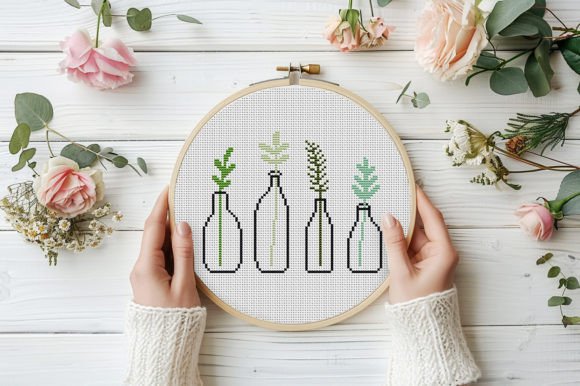
The pattern’s listed technical details immediately appeal to busy shop owners: a design area of 5.50 x 4.36 inches (13.97 x 11.07 cm) on 14-count Aida, with only 5 DMC colors and a stitch count of 77 by 61. The recommended hoop size of 6 or 7 inches keeps framing costs low while making the finished piece versatile enough to embellish everything from kitchen linens to nursery decor.
My first impression? This is a gentle, timeless motif — perfect for customers who want a subtle, nature-inspired accent rather than a loud statement. The green palette, which I assume ranges from soft olive to deep forest hues, feels calming and unisex. It works beautifully for baby embroidery (think a stitched panel sewn onto a muslin blanket), wedding gifts (a pair of hand towels with the design stitched as a corner motif), or everyday personalized gifts that celebrate a love of plants.
First Look at the Green Plants Pattern: Punch of Natural Charm
Opening the PDF, I look for clarity, page layout, and how easily I can transfer the chart to fabric. A well-organized cross stitch pattern means fewer mistakes under a deadline. I expect the file to include a black-and-white symbol chart plus a color preview. Even without stitching a single cross, I can already imagine how the leaves and possible tiny blossoms (the description mentions flowers, so I suspect the “Green Plants” includes delicate blooms) will look against cream Aida. The relatively low stitch count promises a project that stitchers can finish in a few evenings — a key selling point for handmade businesses that need to produce inventory quickly.
The dimension, just over five inches wide, slots nicely into standard product sizes. For a pillow cover, you could center this design on a 16x16 inch cover and have ample breathing room. On a tea towel, it sits elegantly near the hem without overwhelming the overall look. And because it uses only five thread colors, tracking inventory of DMC floss is simple: keep those shades stocked, and you can stitch this pattern repeatedly without hunting for rare colors.
Where This Design Shines for Personalized Gift Products
As a shop owner, I’m always asking, “What can I turn this into?” Here’s a quick list of gift-ready products that would showcase the Green Plants Cross Stitch Pattern PDF brilliantly:
- Embroidered towel sets: Stitch the design on a white or natural linen hand towel. Roll it with a ribbon for an instant hostess gift.
- Pillow covers: Pair with a soft linen or cotton cover. Add a name or date underneath for a custom wedding keepsake.
- Baby blankets: Stitch the pattern on a pre-cut Aida patch and appliqué it to a flannel receiving blanket. Soft, safe, and totally personal.
- Canvas tote bags: Center the design on the bag’s front pocket. The earthy green palette looks fantastic against natural canvas.
- Aprons: A small stitched detail on an apron pocket makes a charming gift for gardening enthusiasts or kitchen lovers.
- Nursery wall art: Frame the finished piece in a hoop or a simple wooden frame. The botanical theme fits gender-neutral nurseries beautifully.
- Greeting card inserts: Stitch on perforated paper and slip the finished motif into a card for a plant-themed birthday or thank-you note.
For Etsy sellers, this pattern provides a product that can be listed repeatedly with slight personalisation. I imagine a listing where customers choose the backing fabric color or add a monogram. The versatile size means you can stitch one master sample and offer made-to-order pieces in several colorways.
Testing Before You Sell: Practical Stitching Notes Every Shop Owner Needs
Before listing a single finished item, I run through my usual checklist to ensure the pattern holds up to real-world use and looks exactly as expected. Here’s what I’d do with the Green Plants Cross Stitch Pattern PDF:
- Test-stitch on scrap 14-count Aida: I’d stitch a small section—perhaps two leaves and a flower—to check how the DMC colors interact. Even with exactly five shades, lighting can change everything.
- Compare light and dark fabric mockups: The pattern will likely pop against cream or white Aida. I’d also test a small portion against a pale oatmeal or soft grey Aida to see if the stitches stay readable. Dark fabric is not recommended for cross stitch unless you’re sewing a separate patch—the dark backing would show through the holes, muddying the design.
- Confirm thread color contrast: With only five colors, any low contrast between similar greens could flatten the design. I’d hold my floss up against a window and make sure each of the five shades reads distinctly, especially the lightest and darkest.
- Review stitch density: At 77 x 61 stitches, the coverage on 14-count Aida will be satisfyingly full. I don’t anticipate any skin-of-fabric issues, but I’d still look for any single isolated stitches (like a tiny bud) that might get lost.
- Check for delicate details after stitching: The pattern might include small dots of backstitch or tiny fractional stitches. If the PDF includes instructions for these, I’d practice them once to ensure my tension is right before moving to a final gift piece.
- Print the PDF at actual size: A crucial step—some printers scale charts. I always measure the printed grid to confirm it matches 14-count fabric, so the finished piece measures exactly 5.50 x 4.36 inches.
I also consider stabilizer needs. When you’re attaching a cross-stitched piece to a towel, blanket, or tote, you’ll want a light fusible interfacing on the back to protect the threads from friction and washing. I’d test heat-bonding on a sample, then toss it in the laundry. The result must stay soft and kissable for baby items.
Where You Should Stitch with Extra Care
Not every surface is friendly to cross stitch. While this green plants design is versatile, there are scenarios where you’ll need to adapt your approach:
- Stretchy baby clothes: A onesie or knit fabric can warp under hoop tension. Instead, stitch the design on a non-stretch Aida patch, then securely sew or heat-bond it to the garment. That way you avoid puckering and keep the design safe for tiny fingers.
- Thick towels: Terry cloth loops swallow tiny stitches. A better option is to stitch on Aida, finish the edges, and sew the completed motif onto the towel as an appliqué.
- Curved surfaces: A water bottle sleeve or a curved pocket isn’t ideal—stick to flat panels for a polished look.
- Dark fabric: As mentioned, dark fabric behind cross stitch dulls the vibrancy. Keep your stitched background light, then mount it on any color you like.
- Items that need frequent heavy washing: Use colorfast DMC floss, double-secure your thread tails, and add a soft backing to the stitched patch. I’d also include washing instructions with the gift.
And a gentle reminder for shops offering custom embroidery details alongside the design: if you plan to add lettering or a name, keep the font simple and test the spacing. The leaves’ curves may run close to your lettering. A 5.50-inch width leaves enough room for a short name or date tucked beneath the plants, but measure twice.
Giftability, Perceived Value, and Emotional Connection
There’s a palpable difference between a mass-produced decoration and a hand-stitched botanical motif. When I stitch this pattern onto a simple linen pillow cover, the gift instantly carries a message of time, thought, and care. Customers feel that. This lifts the perceived value of your products, allowing you to charge prices that reflect artisan work. A pillow cover that might sell for $20 blank can easily command $45-55 with a beautifully executed cross stitch addition.
From a handmade quality perspective, the Green Plants Cross Stitch Pattern PDF creates an heirloom feel despite requiring only five colors. That’s the magic of a well-chosen palette and a clean design. For a baby nursery, the soft greens soothe the eye. For a wedding gift, the enduring nature of leaves (evergreen) symbolizes lasting love — a subtle story your customers will love to tell.
Product photography also benefits. I can already picture a flatlay of the stitched towel with a sprig of eucalyptus, or a framed hoop nestled on a white shelf beside a tiny potted plant. The design’s organic shape photographs generously; it doesn’t require harsh lighting to look crisp. Those listing photos will boost buyer engagement and click-through rates on Etsy.
Commercial Licensing and Your Shop’s Integrity
Before you turn this pattern into a steady income stream, take a moment to read the licensing terms included in the PDF. Some cross stitch designers offer a small commercial license that allows you to sell finished pieces, often with a credit line. Others restrict the pattern to personal use only. As a shop owner, I never list a product for sale until I’ve confirmed the designer’s policy. It’s a small step that protects your business and honors the original artist’s work.
If the PDF doesn’t include explicit commercial terms, reach out to the designer. A professional, courteous email can open up a wholesale arrangement or permission to sell, and it often builds a relationship that leads to future pattern collaborations.
How I’d Use This Pattern in My Own Gift Shop
After my test stitch, I’d create two sample products: a hand towel set and a baby blanket patch. I’d photograph them in natural light with minimal props to let the stitches star. Then I’d draft my Etsy listing copy, highlighting the pattern’s gentle botanical feel, the careful handwork, and the customizable name option. I’d mention the thread colors are DMC, known for colorfastness, and that every piece comes with care guidelines.
Because the stitch count is so manageable, I’d offer a three-day turnaround on smaller items. That speed, combined with the fresh, earthy aesthetic, would attract last-minute gift buyers and eco-conscious shoppers alike.
For craft fairs, I’d stitch several variations in different green shades — maybe swapping one leaf group for a slightly bluer tone — to demonstrate the range. The 6-inch hoop makes a darling display piece on a pegboard, as light as it is charming.
Final Notes on the Pattern’s Potential
The Green Plants Cross Stitch Pattern PDF is a quiet multitasker. It won’t scream for attention, but it will make your finished products feel more intentional and connected to nature. Whether you’re building a brand around personalized kitchen gifts, baby keepsakes, or modern botanical decor, this design fills a need beautifully. Remember to confirm all details — especially the exact file contents and commercial terms — before you stitch for a customer. And always, always test with fabric, stabilizer, and a mockup so that the final handmade piece delivers exactly the warmth you promised.
Happy stitching, and may your shop bloom with this lovely green plant motif.