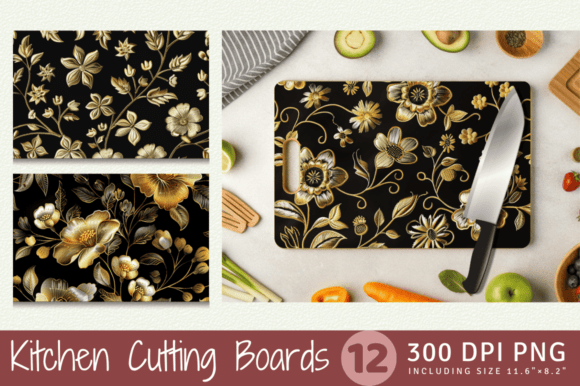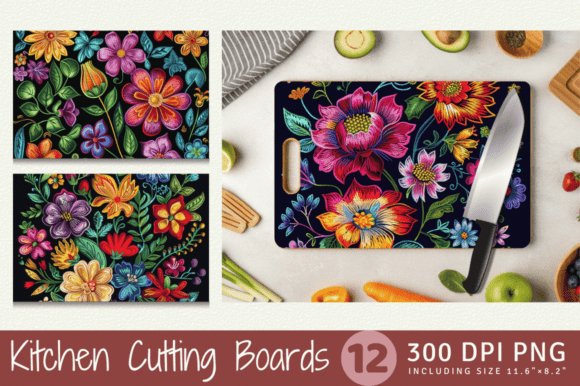
Flowers Embroidery Cutting Boards Sublim Design Review
When a small business owner asks me whether a digital design file can pull double duty across printed merch and embroidered branding, I take a long hard look at the artwork before I say yes. Most files are made for one medium. This Flowers Embroidery Cutting Boards Sublim design landed on my desk after a local bakery owner asked if she could use it not just for cutting boards but also on aprons, caps, and patch sets. I spent a full afternoon testing how this graphic translates from print to thread, and I have some honest notes for any embroidery shop, handmade brand, or Etsy seller considering it for commercial embroidery work.
First Impression of the Design Personality
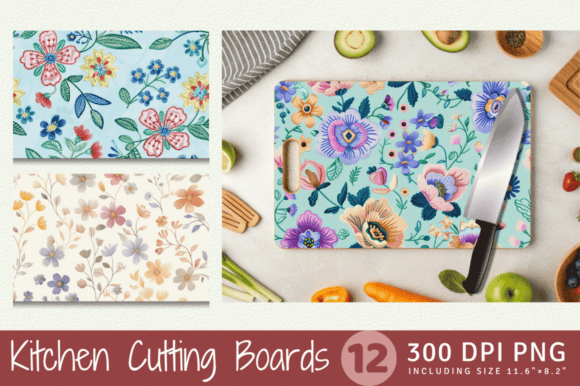
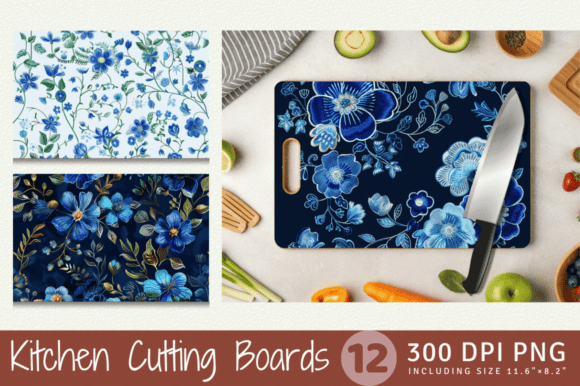
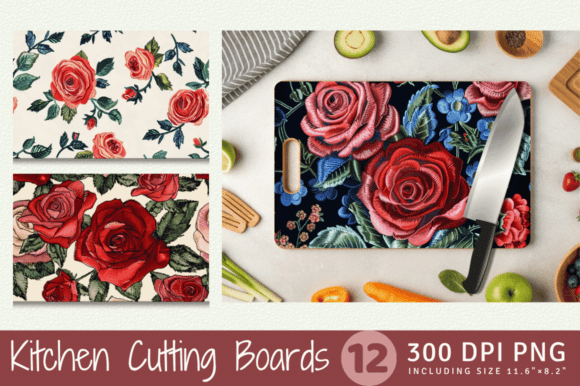
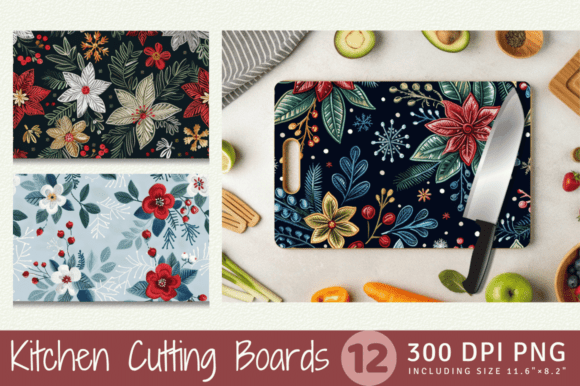
Opening the Flowers Embroidery Cutting Boards Sublim file, the visual tone is immediately warm, slightly rustic, and rooted in a handmade kitchen aesthetic. It leans decorative without feeling fragile, and the floral elements carry enough structure that I immediately imagined them stitched out as an embroidered patch on a linen apron or a canvas tote bag. For a boutique bakery, florist, pet brand, or creative studio looking to build a cohesive brand identity, this design sits comfortably between elegant and approachable. It does not scream corporate, and that is exactly what many small business merch buyers want right now.
The floral composition feels intentional rather than cluttered, and that matters when you plan to digitize the artwork for machine embroidery design conversion. Complicated overlapping petals or ultra-fine stems can become a nightmare at small patch sizes, but this graphic makes sensible use of negative space. My first thought was that it could work as a chest logo accent on a work shirt or a sleeve detail on a denim jacket without requiring excessive editing.
How This Design Works for Embroidered Branding and Patches
Let me walk through the real-world business uses I evaluated. The café owner I mentioned wanted branded staff uniforms, customer tote bags, and a run of iron-on patches for a market event. I loaded the Flowers Embroidery Cutting Boards Sublim artwork into my digitizing software and started testing it across several placements.
- Embroidered patches: At a standard three-inch patch size, the design holds its shape beautifully. The floral motifs read clearly, and the outer edges give a natural boundary that suits patch production without needing a heavy border added.
- Apron embroidery: Placed on the chest of a bib apron, the design creates an instant branded look for a bakery or handmade food business. It feels like a makers market staple.
- Cap embroidery: On a structured dad cap, the design fits best when positioned off-center or as a small front accent. Centering larger floral patterns on curved cap fronts always requires careful digitizing, but this one adapts better than most floral graphics I test.
- Tote bag design: This is where the Flowers Embroidery Cutting Boards Sublim file truly shines. A large placement on a natural cotton tote turns a simple bag into a boutique product customers notice and reuse.
- Work shirts and uniforms: As a left-chest embroidery or a subtle cuff detail, the design adds brand identity without overpowering the garment. I also tested it as a small yoke accent on a chambray shirt, and the result looked like something a high-end florist shop would sell as staff attire.
For craft business assets and printable mockup presentations, this artwork sits comfortably in product photography mockups for both sublimation and embroidery pitches. If you sell digital embroidery files alongside printed merch, showing this design stitched on a canvas pouch or linen tea towel builds buyer confidence quickly.
Practical Embroidery Designer Notes Before Production
Here is where I put my production hat on. Before you convert the Flowers Embroidery Cutting Boards Sublim graphic into an embroidery file, run through this checklist. I learned some of these the hard way years ago, and they save hours of frustration.
- Test in black and white first: Convert the artwork to grayscale and check if the tonal separation still holds. Floral designs sometimes collapse into muddy shapes when color is removed. This one holds up reasonably well, though some lighter petal details need strengthening before digitizing.
- Check small patch size viability: Shrink the design to two inches or smaller and review every outline. Fine stems can disappear or become thread breaks waiting to happen. I recommend keeping patches above two and a half inches for clean results on this design.
- Review thread color contrast: Select thread colors that maintain the soft botanical feel while ensuring contrast against dark uniforms. On black aprons or navy work shirts, pastel floral threads can wash out. I typically add a slightly darker outline to petals for definition on dark fabric texture.
- Inspect spacing and gaps: Areas between leaves and flowers determine whether stitches blend together or stay crisp. Open any embroidery file you create and scan the stitch direction. Overly dense fills in narrow gaps lead to puckering.
- Confirm hoop size: A four-by-four hoop handles most standard patches and chest logos from this design. For larger tote bag placements, step up to a five-by-seven or larger hoop. Always measure your intended placement before committing to a hoop size.
- Use proper stabilizer: On stretchy garments like polo shirts or lightweight tees, a cutaway stabilizer prevents shifting during the stitch run. On sturdy canvas totes or aprons, a tear-away works well. I also recommend a water-soluble topper on textured or fluffy fabric to keep stitches from sinking in.
- Create a mockup for client approval: Before stitching a single thread on final products, generate a printable mockup or a digital preview showing the embroidered placement. Clients approve faster, and you avoid rework. I keep a library of blank product templates specifically for this step.
- Test on real fabric: Every fabric behaves differently. What stitches perfectly on cotton twill may distort on a polyester blend cap. Run one sample on each material type before committing to a bulk production order.
- Compare beside other design assets: Lay out the embroidered sample next to other brand elements like hang tags, packaging stamps, or printed labels. The embroidered version should feel like a tactile extension of the overall brand identity, not a disconnected afterthought.
Where You Should Use This Design Carefully
No design works everywhere, and honest limitations prevent costly mistakes. With the Flowers Embroidery Cutting Boards Sublim artwork, I flag a few caution areas for commercial embroidery use.
Very small cap fronts: Curved surfaces and tiny floral details do not mix perfectly. If you need a cap embroidery that reads clearly from six feet away, consider simplifying the design or using a bolder segment of the artwork rather than the full composition.
High stitch density on lightweight fabrics: The floral fills can accumulate significant stitch density when digitized tightly. On thin rayon or silk blends, this leads to puckering or visible backing shadow. Lighten the fill density or choose a heavier base fabric.
Dark uniforms with subtle thread choices: Light peach, soft yellow, and pale green threads look beautiful on natural linen but disappear on charcoal or black garments. Always test thread visibility on the actual uniform fabric before production.
Items requiring frequent industrial washing: For hospitality uniforms washed daily at high heat, satin stitch edges and fine petal details need secure underlay stitching. Polyester thread holds up better than rayon in these conditions.
How This Design Affects Brand Identity and Customer Trust
A well-placed embroidered design communicates more than just decoration. When a customer picks up a tote bag with a carefully stitched floral emblem, they infer handmade quality, attention to detail, and a business that invests in its presentation. The Flowers Embroidery Cutting Boards Sublim graphic, when executed as embroidery, signals a cohesive small business merch strategy rather than a rushed logo slapped onto a blank product.
For a florist, the botanical theme reinforces brand identity instantly without needing repeated text. For a bakery, the warm kitchen associations of the design align with food-themed gifting and market stall displays. For a pet brand, the soft floral notes contrast nicely with playful paw print designs and broaden appeal to a home-and-lifestyle audience. Visual consistency across cutting boards, aprons, patches, and bags builds recognition faster than any single product alone.
From a seller perspective on Etsy or at craft fairs, embroidered products featuring this design command higher perceived value. Customers associate embroidery with durability and premium craftsmanship. A tote bag with a stitched floral design feels like a finished product worthy of a gift purchase, not just a blank with a print. Buyer engagement increases when product photos show real stitched texture alongside the printed cutting board, telling a full brand story.
Design Versatility Across Product Categories
I appreciate when a digital design file mentions its intended category clearly, and this one sits under Illustrations as a Graphics type. That classification matters because it sets expectations for line work, shading, and how the design will convert into different formats. Graphics in this category tend to digitize well for embroidery when they have distinct color blocks and clear outlines, and this file mostly delivers on that promise.
Beyond the obvious kitchen decor and cutting board use, I see this working for:
- Staff apron sets for bakeries and cafés
- Canvas tote bags sold as customer merchandise
- Embroidered patches for jean jackets and backpacks
- Sleeve accents on work shirts or denim
- Product packaging accents like embroidered fabric tags
- Customer gifts for loyalty programs or seasonal events
- Event merch for food markets, maker fairs, and pop-up shops
- Printable mockup displays for online store listings
Files, Licensing, and Production Specs
One important note for any embroidery shop or small business owner reading this: the product description provided with the Flowers Embroidery Cutting Boards Sublim file focuses on sublimation design and high-quality cutting board use. It does not specify exact stitch count, machine embroidery file format, hoop size requirements, or commercial embroidery licensing terms. Before you invest time digitizing this artwork for stitched products, confirm the commercial licensing allows physical product creation for resale. Most print-on-demand files include standard commercial use, but embroidery conversion counts as a derivative work in some license agreements. Double-check directly with the file seller.
You will need to create the embroidery file yourself through manual digitizing or auto-digitizing software, and the quality of that conversion determines whether the finished product matches the original artwork. I always recommend a manual digitizing approach for floral designs because auto-digitizing often misreads petal overlaps and creates unnecessary trims.
Final Designer Perspective
After testing placement, evaluating the design personality, and running through production checks, I can say the Flowers Embroidery Cutting Boards Sublim artwork earns its place in a small business design toolkit. It bridges the gap between printed kitchen decor and wearable embroidered merch more smoothly than many graphics in the same category. The warm, botanical feel supports brand identity for food businesses, florists, handmade studios, and boutique shops without narrowing the audience too much.
The key to successful use lies in thoughtful digitizing, honest size testing, and fabric-appropriate stabilizer choices. Do not skip the black-and-white test, and always run a stitch sample before presenting to a client. With proper preparation, this design becomes a reliable asset across aprons, patches, totes, caps, and uniform accents, helping small businesses present a polished, professional image that customers trust and remember.