Beautiful Flower Embroidery: Cute Flower Pot Design Review
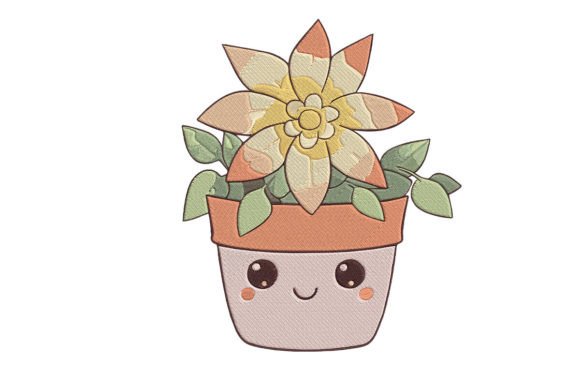
As an embroidery designer who sets up a booth at local craft fairs every season, I know exactly what makes a design jump off the table and into a customer’s tote bag. When I downloaded the Beautiful Flower Embroidery pack—a cute flower pot character—I immediately started visualizing how it would perform on tea towels, children’s clothes, and my signature handmade gift line. This machine embroidery design, categorized under Single Flowers Plants, promises a whimsical, approachable motif that sellers can stitch onto multiple products. Here’s my honest, hands-on review from the perspective of someone who needs designs that not only look good on a screen but sell fast in person.
First Impressions and Booth Appeal
The moment I opened the preview, I felt that the cute flower pot character hits a sweet spot between playful and polished. It’s not an overly childish cartoon; the stylized pot and blooming petals have a charming, slightly modern farmhouse feel that appeals to a wide audience. This embroidery design belongs in the Embroidery product type, which often signals a ready-to-stitch file set, and the title “Beautiful Flower Embroidery” prepares the seller for something soft and decorative. In a booth, this design will attract parents looking for baby gifts, home decor lovers, and impulse buyers who adore cheerful accents. It fits easily on smaller giftables like fabric pouches or on larger showpieces like an apron center panel.
Where the Cute Flower Pot Shines the Brightest
I mentally placed this design on my typical craft fair product lineup. Here’s where I believe Beautiful Flower Embroidery will bring the most profit.
- Tote bags and market bags: The compact nature of the flower pot character makes it a perfect pocket or corner embellishment. I’d use a 4x4 inch hoop to stitch it on a plain canvas tote, then pair it with a hand-lettered message. The design is recognizable even from a distance, which boosts customer attention when they browse a busy aisle.
- Tea towels and kitchen linens: This is my go-to for handcrafted hostess gifts. The cute flower pot embroidery adds just enough personality without being too loud. I recommend stitching it in pastel thread colors on natural linen or flour sack towels. It photographs beautifully for an Etsy listing, giving off a cozy, homemade aesthetic.
- Children’s clothing and accessories: Dresses, t-shirts, and small denim jackets become instant boutique items with a flower pot character peeking out from a hem or a pocket. Since the design is described as cute, I’d test it on soft, light cotton fabric to make sure the fine details of the petals and pot rim remain crisp.
- Embroidered patches and pouches: For a higher perceived value, I often turn designs like this into standalone patches using heavy stabilizer and then sew them onto hats or bags. The pot character feels nostalgic and giftable, perfect for a small shop product. A set of three patches on a display card sells quickly in my booth.
- Pillow covers and home decor accents: Stitch it on a simple linen pillow cover, and you have a farmhouse-style throw pillow that commands a premium price. I’d experiment with monochromatic thread or a single accent color for the flower pot to keep it elegant yet cheerful.
Because the product description emphasizes “Sew it on dresses, clothes, t-shirts, home decor, gifts, and more,” this embroidery file is clearly intended for versatile use—exactly what a multi-product craft fair seller needs.
Production and Selling Practicalities
When I evaluate a machine embroidery design for batch production, I look at stitch density, readability at a glance, and how forgiving it is on different fabric textures. With Beautiful Flower Embroidery, the cute flower pot character appears simple enough to digitize cleanly, but I always run a test stitch to verify how dense the soil and petal fill sections are.
Sizing and Stitch Density for Quick Turnarounds
For craft fairs, I often stitch the same design in multiple sizes, but I always check whether the design scales well. If the flower pot has tiny facial details or delicate leaf outlines, I would hesitate to shrink it below 3 inches. At small sizes, dense stitching can create a bulletproof patch that puckers lighter fabrics. Conversely, enlarging it too much might expose sparse fill patterns. My advice? Stick to the designer’s recommended hoop size and thread colors. If that information isn’t provided—because the description notes “comes with multiple embroidery file formats an” without specifying—reach out to the designer or test a few size options on scrap fabric. A great handmade product looks and feels soft, not stiff, so I adjust stitch density in my software when possible.
Fabric, Stabilizer, and Thread Choices That Sell
The success of Beautiful Flower Embroidery on thick fabrics like aprons or textured towels depends heavily on the right stabilizer. I use a medium-weight cut-away stabilizer for garments to prevent distortion after washing. For tea towels, a tear-away stabilizer leaves the back cleaner for a kitchen item. Here are a few production tips:
- On dark fabric: Light thread contrast makes the flower pot pop, but I always back the design with a white bobbin thread to avoid shadowing. This is critical for t-shirts and market bags.
- On curved cap surfaces: The design’s rounded pot may look warped if not carefully hooped. I use a cap hoop and lower the machine speed. A small accent on the cap side works better than a large front design.
- On textured towels: The tiny details of the petals could sink into loops. I use a water-soluble topping to keep the stitch surface crisp. This step alone turns an average finished product into a professional handmade product.
I also recommend creating at least one real mockup before the fair. A stitched sample on a neutral tote or a simple muslin swatch lets you present the design physically, so customers can touch it and see the true quality.
Designing Your Display for Maximum Customer Pull
In a craft fair booth, the visual arrangement dictates which items customers pick up first. I group products featuring Beautiful Flower Embroidery together, using cohesive thread palettes—maybe soft coral pinks, sage greens, and warm browns—to create a mini collection. Matching aprons, tea towels, and pouches form a story that encourages multiple purchases. The cute flower pot character acts like a brand logo for a handmade spring or Mother’s Day collection, which works especially well around seasonal events.
Mockup Photography and Etsy Listing Tips
Even though my focus is a physical booth, I always photograph finished items for post-fair online sales and restocks. The beauty of a design like this is its scale; it photographs wonderfully flat on a towel or as a lifestyle shot on a child’s dress. For Etsy sellers, I’d use the embroidered patch as the lead image to show the digital embroidery file’s outcome. Mentioning “cute flower pot machine embroidery design” in the listing title directly connects with buyers searching for playful botanical motifs. And if you sell the digital embroidery file as a separate product, include a printable mockup of the design on a pillow or tote—it gives buyers confidence in their own handmade product.
Designer Notes and Caution Areas
No design is flawless, and as a professional embroidery designer, I note a few potential pitfalls with Beautiful Flower Embroidery. The cute flower pot character likely includes:
- Dense satin stitch areas around the pot’s rim or soil that could cause puckering on lightweight fabric if the tension isn’t perfect.
- Tiny facial features (if the character has a smile or eyes) that might close up at smaller stitch sizes, turning the cute expression into a smudge.
- If any small lettering accompanies the pot (although not described), it would demand extreme caution—small letters easily become illegible on textured fabric or if the design is resized without stitch count adjustments.
My workflow always includes: testing on a scrap of the actual fabric I’ll use, checking thread contrast under both natural and booth lighting, reviewing the spacing after each test to see if any outlines need trimming, and confirming that the commercial embroidery license allows me to sell physical items with the stitch-out. The description “multiple embroidery file formats an” hints at broad compatibility, but I always open the file in my software to verify it matches my hoop size before committing to a full production run.
If you plan to sell these finished products commercially, confirm that the design’s commercial embroidery rights are included. Many digital sellers require an extended license for craft fair sales. This is a non-negotiable step for any small shop product I create.
Final Verdict: Is It Worth the Booth Spot?
After evaluating Beautiful Flower Embroidery from every angle that matters to a working seller, I’d absolutely allocate it a spot in my craft fair lineup. The cute flower pot character delivers the kind of restrained whimsy that makes customers smile and reach for their wallets. It works as a small accent on a pocket, a front-and-center design on an apron, or a repeating element across a matching set. The versatility across tote bags, home decor, baby items, and apparel means I can stitch it in multiple colors and textures to create a full booth display without buying a dozen different designs.
I do recommend exercising patience during the test phase—check stitch density on your specific fabric, pick the right stabilizer, and avoid scaling the design too far from its original dimensions. With those small precautions, Beautiful Flower Embroidery will become a reliable, revenue-generating part of any handmade product line. It’s a design that proves sometimes the simplest, most lovable concepts are what sell best, especially when you build a story around a cheerful flower pot that brightens someone’s day.